
A radiant barrier is a reflective aluminum layer built into your roof deck or attic that bounces the sun's radiant heat back out before it reaches your living space. On a San Jose roof that hits 150°F+, it reflects up to 97% of that heat, drops attic temperatures 25–40°F, and trims cooling costs — installed as part of your re-roof.
Radiant barrier sheathing is roof decking with a thin, reflective aluminum layer on its underside that reflects the sun's radiant heat away from your attic instead of absorbing it. Since most of the summer heat that enters a home comes through the roof as radiant energy, a layer that bounces back up to 97% of it is one of the most cost-effective ways to keep a Bay Area home cool.
Reflects up to 97% of radiant heat — the foil layer turns back the infrared heat that would otherwise bake your attic.
25–40°F cooler attic — DOE field studies show attics dropping from 150–160°F to 120–130°F after a radiant barrier.
~7–15% lower cooling costs — your HVAC runs less, and most installs pay for themselves in 2–4 years.
Title 24 friendly — a recognized California energy-code measure that can offset other requirements.
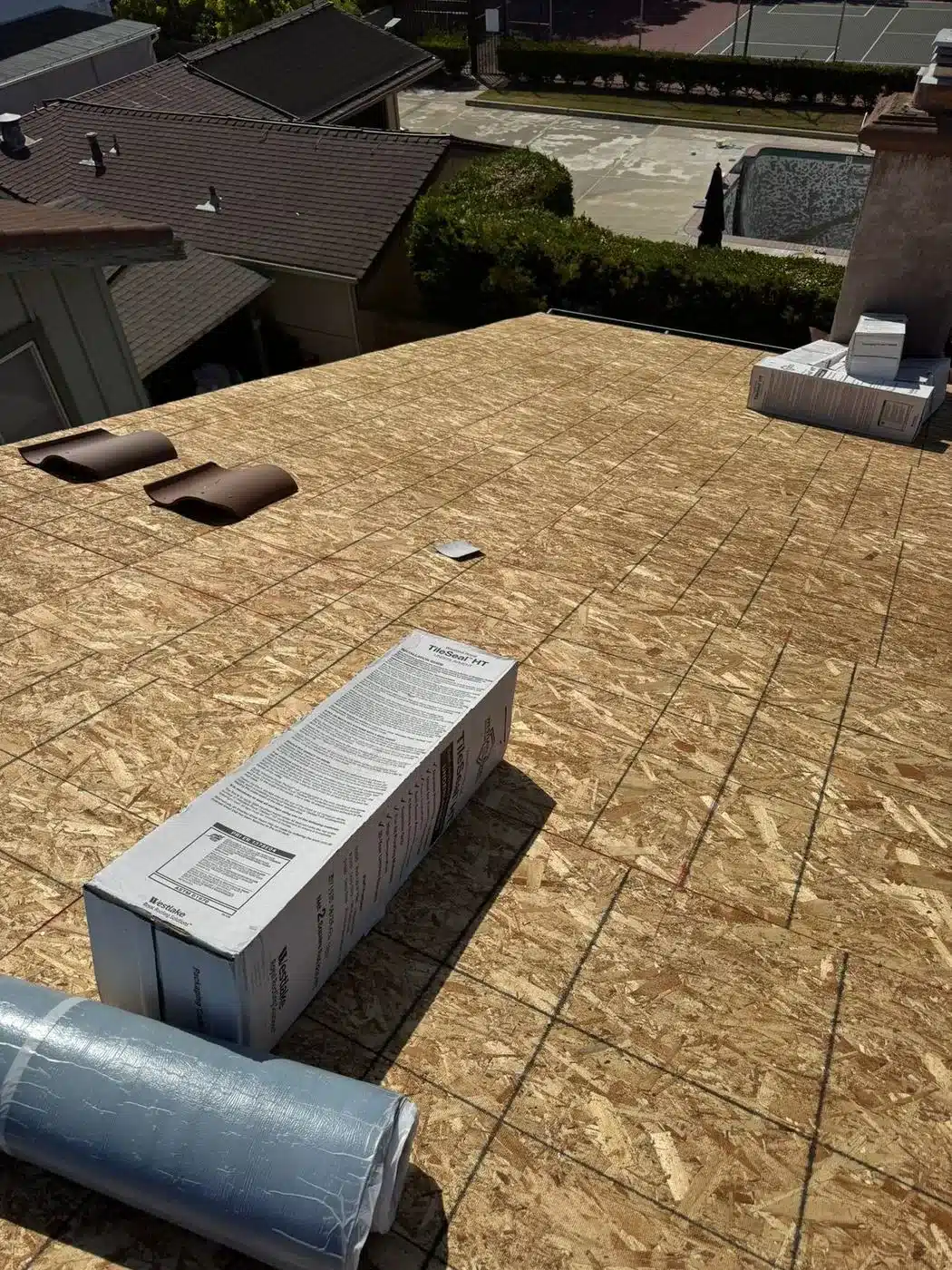
Yes — by reflecting up to 97% of the sun's radiant heat, a radiant barrier drops attic temperatures by roughly 25–40°F and cuts cooling costs by about 7–15% in the Bay Area's climate. The savings are biggest on homes with hot attics, HVAC ducts in the attic, or living space directly under the roof. Pair it with a cool roof and balanced ventilation and the effect compounds.
On a San Jose roof that reaches 150–160°F, a radiant barrier reflects the infrared heat before it loads your attic — DOE studies measure a 25–40°F attic drop and 7–15% cooling savings, with a typical 2–4 year payback.
A radiant barrier is a recognized California Title 24 prescriptive measure — and one of the options (with R-38 ceiling insulation or above-deck insulation) that can exempt your re-roof from the cool-roof requirement. We document it for your San Jose permit.
We install radiant barriers the way that fits your roof and budget — integrated into a new roof deck for the best performance, or retrofitted into an existing attic.
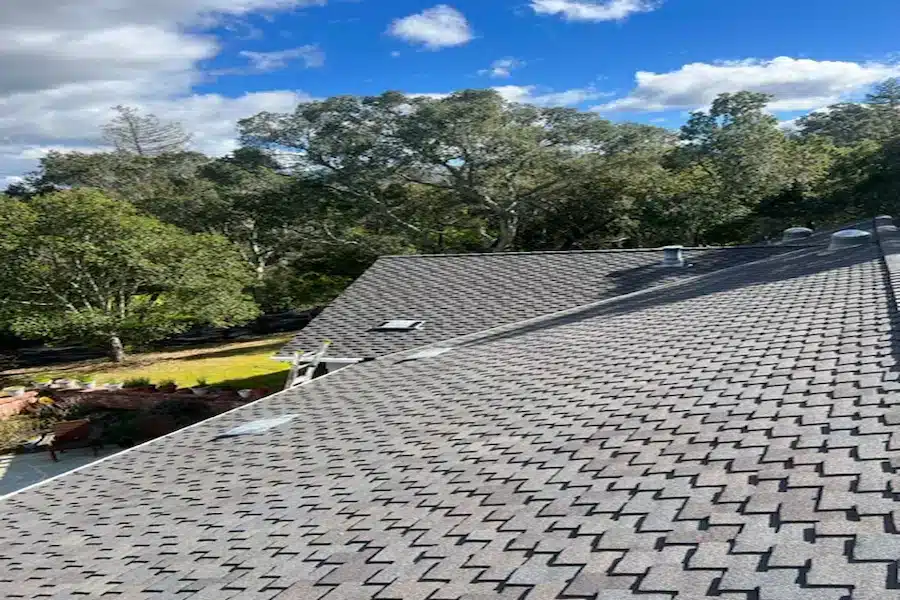
Foil-faced radiant barrier sheathing (like LP TechShield) becomes your new roof deck — the most effective option, installed while we replace your roof.

Pair the reflective deck with Title 24 cool-roof shingles for the biggest cooling reduction — and easy energy-code compliance.
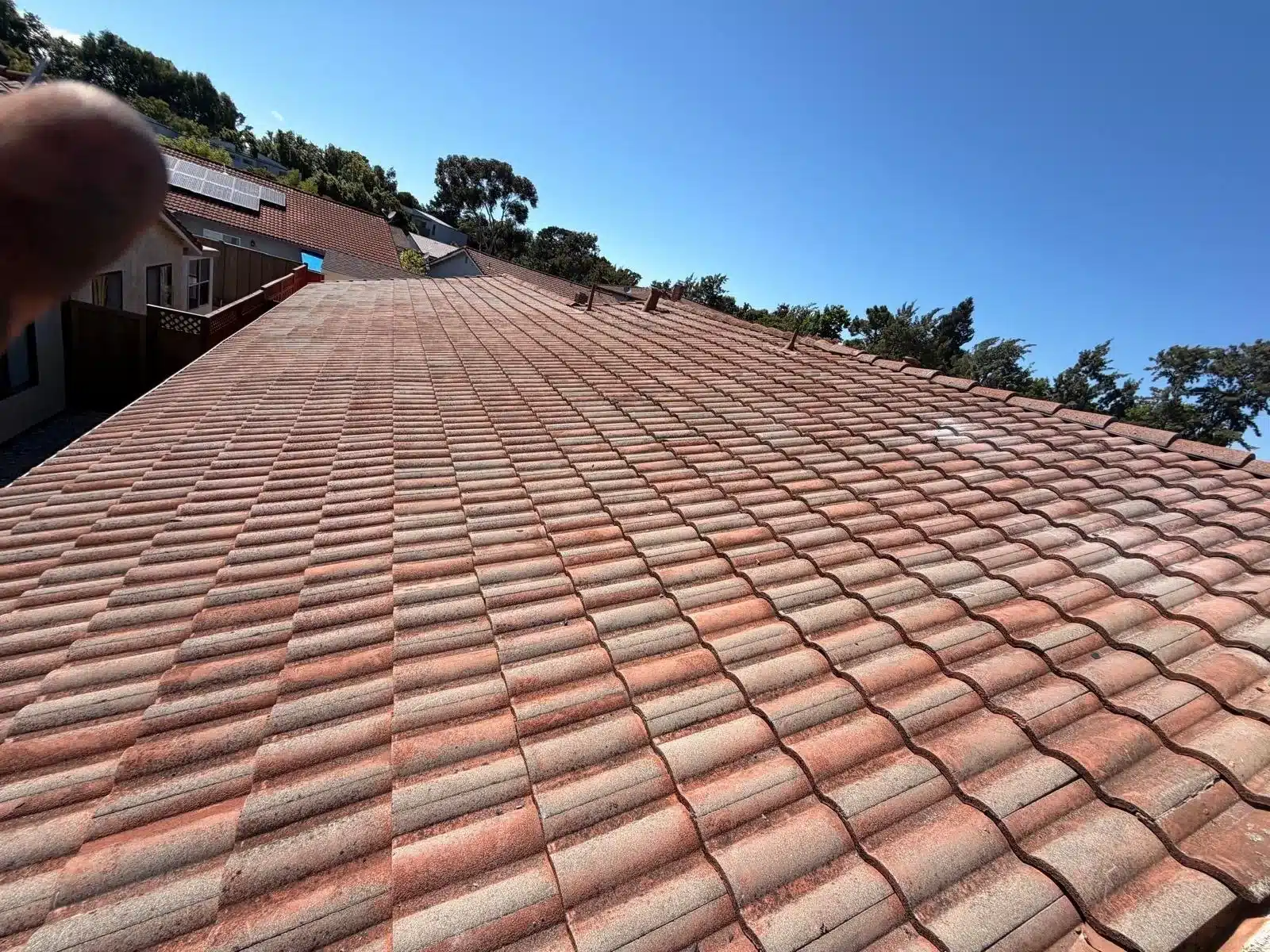
Tile roofs already breathe well; adding a radiant barrier beneath a tile roof cuts the heat that radiates into your attic.
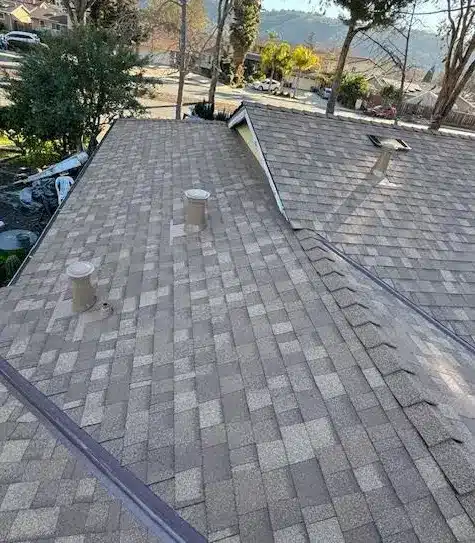
We balance intake and exhaust so the heat the barrier reflects is carried out of the attic — protecting your roof and lowering temps further.
The most cost-effective way to make a Bay Area home more comfortable and efficient — with no moving parts and no energy use of its own.
Cooling costs drop about 7–15% the first summer, as your HVAC works less to hold temperature.
A 25–40°F cooler attic means fewer hot upstairs rooms and steadier temperatures throughout the house.
A radiant barrier uses no energy itself — it simply reflects heat, cutting your carbon footprint and HVAC runtime.
A straightforward, verified install — matched to your roof and documented for Title 24.
We inspect attic temperatures, ventilation, and existing insulation during a free roof inspection, then recommend roof-deck sheathing or an attic retrofit.
During a re-roof we install foil-faced sheathing as the new deck; for retrofits we staple reflective foil to the rafters — foil side to the air gap, where it works.
We confirm balanced intake and exhaust so reflected heat leaves the attic, verify full coverage, and document the assembly for your Title 24 permit.
Owens Corning Platinum Preferred and serving Santa Clara County since 2010, we install radiant barriers the right way — with the ventilation and documentation that make them perform and pass inspection. Adding one during a roof replacement is the smartest time to do it.
The reflective layer is hidden beneath your shingles — you never see it, but you feel it every summer. Here's how it goes in and what it delivers.
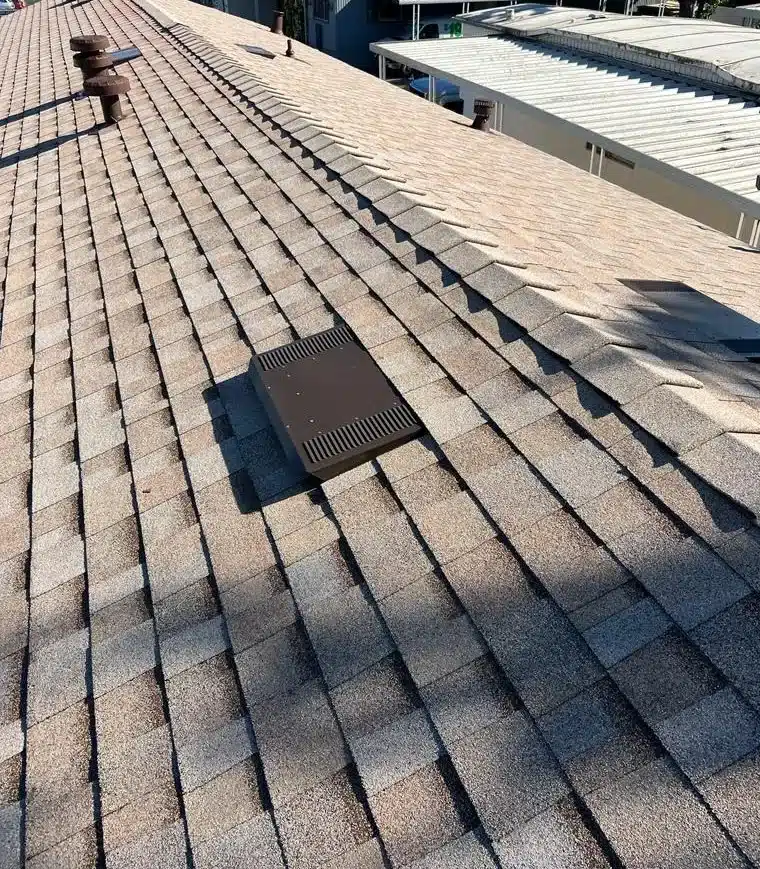
By reflecting up to 97% of radiant heat, a radiant barrier drops attic temperatures 25–40°F and trims cooling costs by roughly 7–15% in the Bay Area — most installs pay for themselves in 2–4 years.
Yes. On existing homes we staple reflective foil to the underside of the attic rafters; during a re-roof we install foil-faced radiant barrier sheathing as the new roof deck, which performs best.
Yes. It is a passive, non-toxic aluminum foil that uses no energy of its own — it simply reflects heat, lowering both your HVAC runtime and your carbon footprint.
Yes. A radiant barrier is a recognized Title 24 prescriptive measure and one of the options — along with R-38 ceiling insulation or above-deck insulation — that can exempt a re-roof from the cool-roof requirement.
In our area radiant barrier runs about $2.50–$4 per square foot installed, and because it lowers cooling costs it typically pays for itself within 2–4 years.
Its main benefit is summer cooling, which is where Bay Area homes use the most energy. It offers a small winter benefit too, and paired with good attic insulation and ventilation it improves comfort year-round.
Add a radiant barrier during your next re-roof and start reflecting the heat instead of paying to fight it. Free estimates across San Jose and the Bay Area.