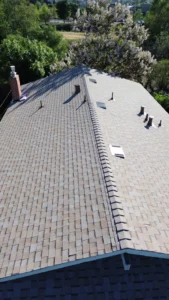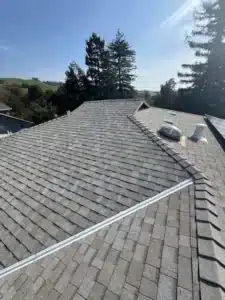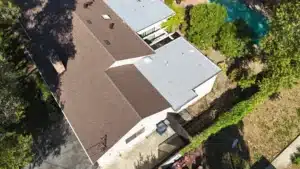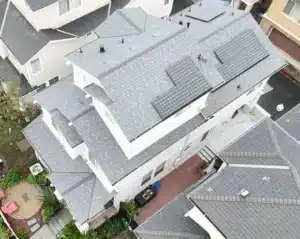
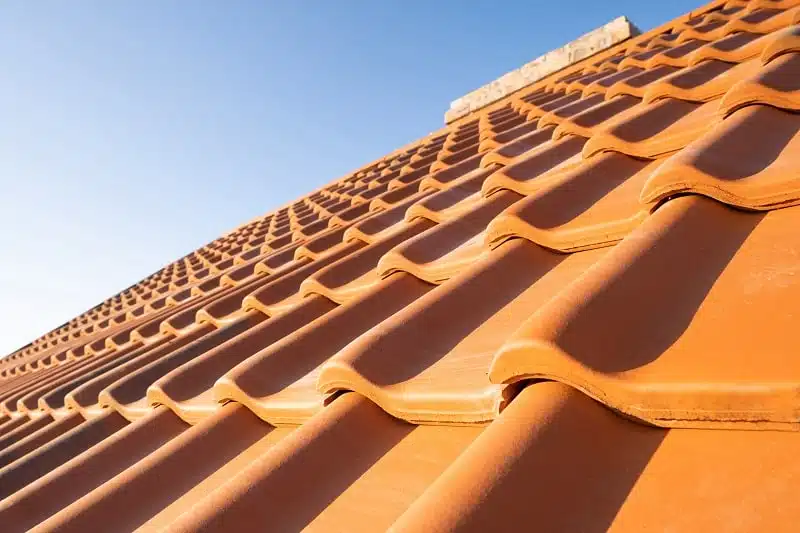
Reliable Roofing in San Jose – Repairing Your Clay Tile Roof
Clay tile roofs are among the most beautiful and durable roofing systems available, but they require specialized knowledge to maintain and repair properly. At Lifetime Roofing & Renovation, we’ve repaired and restored hundreds of clay tile roofs across San Jose and the Bay Area. Clay tile can last 50-100 years or longer with proper maintenance, but neglected tiles fail prematurely — cracking, missing underlayment, flashing failures, and fastener corrosion are common issues we address weekly. Our team has 14+ years of hands-on experience with clay tile systems, and we’re trained to distinguish between repairs that restore function and those that require roof section replacement. If you have a clay tile roof showing signs of age or damage, we can help you understand your options and get your roof restored.
Understanding Clay Tile Roofing: Why It Matters
Clay tile roofing is almost exclusively found on Mediterranean, Spanish Colonial, and Mission-style homes — architecturally distinctive properties where roofing aesthetics matter as much as function. Here’s what makes clay tile unique:
Lifespan & Durability
Quality clay tiles, properly installed and maintained, last 50-100+ years. Some historic clay tile roofs have lasted 150+ years. This exceptional longevity is why clay tile homes often command premium property values — the roof is essentially a lifetime investment. Compare this to composition shingles (15-25 years), metal roofing (30-50 years), or concrete tile (50-70 years).
Thermal Mass & Energy Efficiency
Clay tile’s thermal mass — its ability to absorb and slowly release heat — moderates interior temperatures. During hot Bay Area days, clay tile absorbs solar heat and releases it slowly at night, reducing air conditioning demands. Studies suggest clay tile can reduce cooling costs by 10-15% compared to lower-mass roofing materials.
Aesthetic & Property Value
Clay tile is irreplaceable architecturally. Homes with clay tile roofs typically command 5-15% price premiums in Bay Area markets, particularly in neighborhoods like San Jose’s historic districts, Palo Alto, or Los Altos where architectural consistency matters.
Environmental Durability
Unlike composition shingles (which end in landfills) or manufactured materials, clay tile is made from natural clay fired in kilns — essentially creating a ceramic product that doesn’t degrade or require replacement.
Common Clay Tile Problems: What Goes Wrong Over Time
Cracked or Broken Tiles
Individual tiles crack from thermal stress (repeated expansion/contraction cycles), impact damage (falling branches, hail), settling of the underlying structure, or simply age-related embrittlement. A few cracked tiles are cosmetic; widespread cracking (20+ tiles) indicates deeper problems.
- Cause: Age, freeze-thaw cycles (rare in Bay Area but possible in inland areas), structural settling, impact damage
- Water intrusion risk: Low initially (clay is water-resistant), but cracks allow water into underlayment and rafters
- Repair: Individual tiles can be replaced; roofing professionals remove the damaged tile, slide in a new one, and secure it with roofing nails and flashing
- Cost: $150-400 per tile depending on tile size and accessibility
Underlayment Failure
Clay tiles rest on underlayment — typically felt or synthetic material that absorbs wind-driven rain penetrating the tiles and directs water toward gutters. After 30-50 years, underlayment deteriorates and loses its water-shedding properties. Water begins accumulating under tiles instead of draining out.
- Signs: Water staining on ceilings, wet insulation in attics, musty smells, mold growth in attic spaces
- Cause: Age, poor ventilation, lack of gutters or downspout management
- Repair complexity: High — typically requires removing tile sections, replacing underlayment, and reinstalling tiles
- Cost range: $8,000-25,000+ depending on affected area and roof complexity
- When replacement makes sense: If underlayment failure affects more than 30% of roof area, or if multiple problems exist (cracked tiles + failed underlayment + flashing failure), full replacement often costs less than sectional repairs
Flashing Failures
Flashing — the metal details around chimneys, skylights, vents, and roof edges — is clay tile roofs’ primary vulnerability. Metal flashing expands/contracts independently of tile, creating movement at critical water pathways. Over time, sealants fail, fasteners corrode, and flashing gaps allow water penetration.
- Most common failure points: Chimney base, skylight perimeter, roof-to-wall transitions, valley flashing
- Water intrusion risk: Very high — flashing failures are responsible for 50%+ of clay tile water damage
- Visual signs: Missing sealant, visible rust or corrosion, gaps between flashing and tile
- Repair: Re-sealing existing flashing (short-term, 3-5 years), or replacing flashing entirely (permanent, 20+ year solution)
- Cost: Sealing $300-800 per location; replacement $1,500-5,000 depending on complexity
Fastener Corrosion & Tile Slippage
Older clay tile roofs often used steel fasteners (nails or straps) that corrode over decades. As fasteners weaken, tiles can shift or slip under wind load, creating gaps and water pathways. Modern installations use stainless steel or copper fasteners, but older roofs frequently have corroded original fasteners.
- Signs: Tiles visibly shifted or misaligned, loose tiles that can be moved by hand, water patterns suggesting tile movement
- Cause: Original fastener corrosion, settling of roof deck, wind stress
- Repair: Removing affected tiles, installing new stainless steel fasteners, reinstalling tiles
- Cost: $200-500 per affected tile, but can add up if many tiles are affected
Moss, Algae, and Lichen Growth
Bay Area’s humidity and shade-creating trees create perfect conditions for moss, algae, and lichen growth on clay tile. While primarily cosmetic, accumulated growth traps moisture against tile and underlayment, accelerating deterioration.
- Growth drivers: Shade, moisture, temperature cycling, nutrients in rainfall
- Damage risk: Moderate — growth accelerates underlayment failure and tile cracking by trapping moisture
- Cleaning: Soft-wash (low-pressure) cleaning removes growth without damaging tiles or finish. Pressure washing can crack tiles and damage flashing
- Prevention: Trim trees creating shade, ensure adequate roof ventilation, regular inspections
- Cost: Cleaning $800-2,500 depending on roof size and growth severity
Repair vs. Replacement: Making the Right Decision
When clay tile problems emerge, should you repair or replace? This decision depends on several factors:
Choose Repair When:
- Limited damage (fewer than 20 cracked tiles)
- Damage is isolated to specific areas (one roof section, not widespread)
- Underlayment is still functional (no interior water damage)
- Flashing is in repairable condition
- The tile itself is not excessively old (under 70 years)
- Budget constraints exist and future replacement is feasible
Choose Replacement When:
- Widespread damage affecting 40%+ of roof
- Multiple failure modes simultaneously (cracked tiles + failed underlayment + flashing failure)
- Active interior water damage indicating systemic failure
- Tiles are extremely old (80+ years) and approaching end-of-life
- Finding replacement tiles (matching style, color, size) is difficult — newer clay tile profiles don’t match older styles
- Cost of sectional repairs approaches 60%+ of full replacement cost
- You plan to own the home long-term and want a 30-year warranty solution
Case Study: Repair vs. Replacement Decision
We recently evaluated a 1928 Spanish Colonial home in San Jose with significant clay tile problems. The roof had roughly 60-70 cracked tiles, failed underlayment in the north-facing sections, and deteriorated chimney flashing. Sectional repairs would have cost $22,000-28,000 and addressed only immediate issues. A full replacement with modern underlayment, synthetic tiles matching the original profile, and new flashing was $38,000. Because the homeowner planned to stay 15+ years, the replacement was better long-term value. The new roof carries a 30-year warranty; the repair approach would have required additional work within 10-15 years.
Bay Area Weather Effects on Clay Tiles
San Jose’s climate affects clay tile longevity:
Thermal Cycling
Bay Area experiences moderate but consistent temperature swings — 40°F at night, 75°F+ during day is normal. Clay tile expands and contracts with these cycles. Repeated expansion/contraction causes gradual stress, leading to micro-cracking that eventually becomes visible cracks or breaks.
Rare Frost Cycles
While rare, inland San Jose areas (foothills regions) occasionally experience freezing nights. When water trapped in tile micro-cracks freezes, it expands, accelerating crack growth (frost heave). Southern Bay Area rarely experiences this, but northern coastal areas do occasionally.
Salt Spray & Coastal Properties
Homes within 2-3 miles of coast experience salt-spray exposure. Salt accelerates metal flashing corrosion and can etch tile surfaces, though clay tile itself is resistant. Coastal clay tile roofs typically fail at flashing first.
Rare Hail Events
While unusual, the Bay Area has experienced hail, particularly in inland areas. Hail impact can crack tiles and doesn’t require replacement of the tile, but it does create water entry points if not addressed.
Finding Matching Replacement Tiles for Historic Homes
One of clay tile repair’s biggest challenges is matching old tiles. Historic homes often feature tile profiles, colors, and sizes no longer manufactured. We have strategies:
Direct Manufacturer Sourcing
Major clay tile manufacturers (Spanish, Italian, Mexican producers) sometimes maintain production of historic profiles. We have relationships with suppliers and can often source matching tiles even for 80+ year old roofs.
Salvage & Reclaimed Tile
Salvage yards and architectural reclamation companies maintain inventory of removed tiles from older homes. While more expensive ($3-8 per tile vs. $1-2 for new standard tiles), salvage tile perfectly matches vintage roofs.
Color & Texture Blending
If exact matches aren’t available, we use tiles from the same manufacturer line, choosing colors and textures that blend acceptably. An experienced installer can create visual blending that’s subtle at roof distance.
Sectional Replacement Strategy
For extensive damage, we sometimes recommend replacing full roof sections with modern synthetic tiles that visually match the original profile. Modern clay-look concrete tile is virtually indistinguishable from traditional clay when viewed from ground level, and warranty/durability benefits may justify aesthetic compromise.
Cost Breakdown for Common Clay Tile Repairs in San Jose
Individual Tile Replacement
- Tile cost: $1-3 per tile (standard) to $5-8+ (vintage/salvage)
- Labor: $150-350 per tile (removal, inspection, reinstallation)
- Total per tile: $200-500 depending on tile availability and roof accessibility
- Sample project (15 tiles): $3,000-7,500
Flashing Repair/Replacement
- Chimney flashing replacement: $1,500-3,500
- Skylight flashing: $1,200-2,500
- Roof-to-wall transition: $2,000-4,000
- Valley flashing: $1,500-3,000
Underlayment Replacement (Sectional)
- Affects one side or section of roof (500-800 sq ft): $8,000-15,000
- Affects larger area (1,000+ sq ft): $15,000-25,000+
- Full roof underlayment replacement (2,500+ sq ft): $25,000-45,000+
Moss/Algae Cleaning
- Small roof (1,500 sq ft): $800-1,200
- Medium roof (2,500-3,500 sq ft): $1,500-2,500
- Large roof (4,000+ sq ft): $2,500-4,000
These are San Jose-area pricing (2026). Actual costs vary with roof accessibility, extent of damage discovery, and material availability.
Why DIY Clay Tile Repair is Risky
We sometimes encounter homeowners who’ve attempted clay tile repairs. Here’s why professional help is important:
Fall Risk
Clay tile roofs are steep, often very steep (12/12 pitch or steeper). One misstep leads to serious injury or death. Professional roofers use harnesses, specialized equipment, and safety systems.
Tile Breakage
Clay tile is brittle. Removing a tile requires specific techniques to avoid breaking surrounding tiles. Professionals have tools and experience; homeowners typically break 2-3 adjacent tiles trying to remove one damaged tile, turning a small repair into a larger job.
Improper Fastening
Incorrectly fastened tiles can work loose under wind load, creating new water pathways. Professionals use stainless steel fasteners and proper techniques to ensure long-term security.
Water Damage Risk
Improper tile removal or installation exposes the underlayment and rafter system. If not properly protected and re-sealed, water penetrates and causes hidden damage in attics and walls.
Warranty Voiding
Many tile manufacturers void warranties if non-professional installation is attempted.
How Lifetime Roofing Approaches Clay Tile Projects
When you bring us a clay tile roof problem, here’s our process:
Detailed Inspection
We walk the entire roof, photographing all damage points. We inspect from the interior (attic inspection) to assess underlayment condition and confirm water entry points. We provide a written report with photos and recommendations.
Root-Cause Analysis
We don’t just fix the visible problem — we investigate why it happened. If flashing failed, we assess whether it’s inadequate design, corrosion of old materials, or settling. This informs whether repair or replacement makes sense.
Honest Assessment
If the tile is approaching end-of-life and has multiple issues, we tell you. We don’t push unnecessary repairs or replacements, but we ensure you understand the risks of postponing larger work.
Material Sourcing
For repairs requiring matching tile, we source appropriately. We maintain relationships with salvage suppliers and tile manufacturers, making it possible to match even vintage profiles.
Professional Installation
Our team is experienced with clay tile’s specific challenges. We use stainless steel fasteners, modern sealants, and techniques that preserve the tile’s integrity and ensure 20+ year durability of repairs.
Schedule Your Clay Tile Roof Evaluation
If you have a clay tile roof in San Jose and you’re concerned about damage, the next step is a professional assessment. We’ll provide a detailed inspection, honest diagnosis, and a clear path forward — whether that’s targeted repair or planning for future replacement.
Call us at (408) 685-2177 to schedule a clay tile roof inspection. We serve San Jose and the broader Bay Area, and we’re experienced with the architectural challenges of historic clay tile roofing.
Want to learn more about our broader roofing services? Visit our clay tile roof installation page or read more about our roofing services for San Jose homeowners.
Lifetime Roofing & Renovation — 14+ years of clay tile expertise, 500+ roofing projects, committed to preserving San Jose’s architectural heritage.