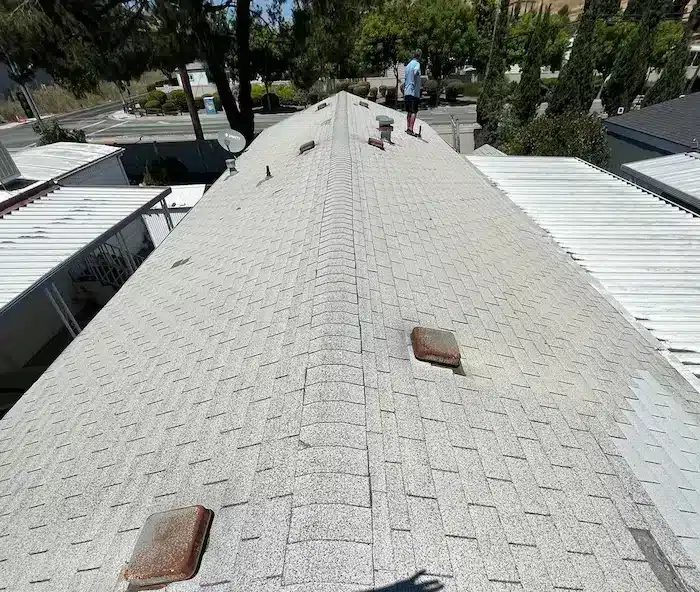
One of the first things homeowners want to know when budgeting for roof work is: how long should my roof actually last? The answer varies significantly depending on the roofing material, your climate, and how well the roof is maintained. Here’s a practical breakdown for California homeowners — with Bay Area specifics where they matter most.
Roof Lifespan by Material
Different roofing materials age at very different rates. Here’s what to expect from the most common options installed in California:
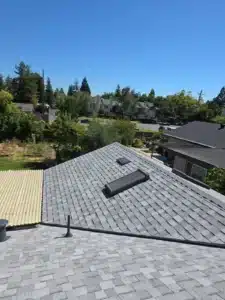
Asphalt shingles — 20 to 30 years
The most common roofing material in the U.S., asphalt shingles offer a solid lifespan at an accessible price. 3-tab shingles (the older, thinner style) tend to last 20–25 years. Architectural (dimensional) shingles, which are thicker and more durable, typically last 25–30 years. In coastal areas like San Francisco or Santa Cruz, salt air can shorten that lifespan by 3–5 years.
Metal roofing — 40 to 70 years
Standing seam steel and aluminum roofs are among the longest-lasting options available. Properly installed metal roofing can last 40–70 years with minimal maintenance. It’s particularly well-suited to the Bay Area — highly resistant to coastal moisture and salt air, and excellent in fire-prone areas. See our metal roofing options.
Concrete tile — 40 to 50 years
Concrete tile is heavy, durable, and extremely common in California. It handles heat and UV exposure exceptionally well, making it a great fit for the hotter inland parts of the Bay Area. With proper underlayment maintenance, concrete tile roofs regularly outlast 40 years. Learn more about concrete tile roofing.
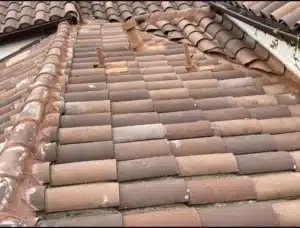
Clay tile — 50 to 100 years
Clay tile is the premium tier. When properly installed on an adequately reinforced structure, clay tile roofs can last 50–100 years. The tile itself rarely fails — underlayment replacement at 20–30 years is the more common maintenance need. See our clay tile installation services.
Slate and synthetic slate — 50 to 100 years (natural) / 30 to 50 years (synthetic)
Natural slate is essentially permanent when properly cared for — many historic slate roofs in the U.S. are 100+ years old. Synthetic slate offers a similar aesthetic at lower weight and cost, with a lifespan of 30–50 years. Learn about our synthetic slate roofing options.
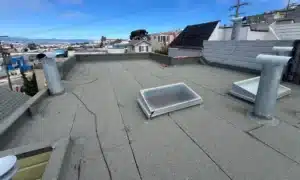
Flat roofing (TPO, EPDM, modified bitumen) — 15 to 30 years
Flat roof membranes have a shorter lifespan than pitched roofing systems. TPO and EPDM membranes typically last 15–25 years. Modified bitumen can last 20–30 years when properly maintained. Drainage is the critical factor — standing water accelerates deterioration significantly. See our flat roof services.
How California’s Climate Affects Roof Lifespan
California’s diverse microclimates mean that where you live within the state has a real impact on how your roof ages:
- Coastal Bay Area (San Francisco, Pacifica, Santa Cruz): Salt air, constant fog moisture, and moderate temperatures year-round. Asphalt shingles and metal require more frequent inspection. Metal (especially aluminum or Galvalume steel) performs exceptionally well here because it resists corrosion.
- South Bay / Silicon Valley (San Jose, Sunnyvale, Cupertino): Warmer, drier summers with less marine influence. Asphalt shingles hold up better inland. UV exposure is more of a factor than moisture. Concrete and clay tile are popular choices here.
- East Bay (Fremont, Oakland, Milpitas): Mixed — coastal influence on western slopes, warmer and drier further east. Most materials perform well. Fire resistance is an increasing concern with WUI (Wildland-Urban Interface) designations.
Factors That Shorten a Roof’s Lifespan
Beyond material and climate, several factors can significantly reduce how long your roof lasts:
- Poor ventilation: A poorly ventilated attic traps heat and moisture, accelerating shingle breakdown and rotting the roof deck. Proper soffit and ridge ventilation can add years to your roof’s life.
- Improper installation: Shortcuts in installation — inadequate fastening, skipping underlayment, improper flashing — will shorten any roof’s lifespan regardless of material quality.
- Deferred maintenance: Minor issues like cracked caulking, loose flashing, or a small leak left untreated can cause water damage that compromises the whole roof system.
- Moss and algae growth: Common in the Bay Area’s damp climate. Moss retains moisture against shingles and can accelerate granule loss and cracking. Annual treatment extends shingle life significantly.
Signs Your Roof Is Nearing End of Life
Even if you don’t know your roof’s exact age, these are reliable signals that replacement is approaching:
- Granules collecting in gutters or downspouts
- Shingles curling at edges or cupping in the center
- Visible daylight in the attic
- Multiple leaks or leaks in new locations
- Soft or spongy areas when walking on the roof
- Flashing around chimneys or vents showing significant rust or separation
How to Extend Your Roof’s Lifespan
The single best thing you can do is schedule an annual roof inspection. Catching small problems early — a cracked flashing seal, a few lifted shingles, early moss growth — prevents them from becoming expensive structural issues. Most homeowners spend $0 on their roof until something catastrophic happens. The ones who get annual checkups routinely get 5–10 extra years out of their roof.
Other tips: keep gutters clear, trim overhanging branches, treat moss and algae growth promptly, and ensure attic ventilation is functioning properly.
Frequently Asked Questions
How do I find out how old my roof is?
Check your home inspection report from when you purchased the property — it usually notes the roof’s estimated age. Your local building permit office may also have records of permitted roof work. If you’re unsure, a professional inspection can estimate age from the shingle condition and wear patterns.
Does a California roof last as long as one in other states?
In many parts of California, yes — or longer. Moderate temperatures and low snow load reduce some of the stresses roofs face in harsher climates. However, coastal salt air, UV intensity in inland areas, and wildfire ember exposure are California-specific factors that require attention.
When should I start budgeting for a roof replacement?
If your roof is 15+ years old (for asphalt shingles) or showing any of the wear signs above, now is a good time to get an inspection and start planning. Replacing a roof proactively — before an emergency — gives you time to research materials, compare quotes, and schedule on your timeline rather than reacting to a leak mid-winter.
Wondering About Your Roof’s Condition?
We’ll inspect it for free and give you a straight answer on where it stands and how much life it has left.
Book a Free InspectionRelated: Roof Replacement San Jose | Metal Roofing | Concrete Tile Roofing | Bay Area Cost Guide
Not sure about your roof’s condition? Schedule a free roof inspection in San Jose with Lifetime Roofing & Renovation. Our certified inspectors provide an honest assessment and help you plan ahead.
What homeowners are asking on Reddit
These are real questions posted publicly on Reddit. We have linked each thread and answered it from our own job experience in the Bay Area.
Do 30 year shingles actually last 30 years?
Reddit question · asked on r/HomeImprovement — view the thread
Our answer: No, and the number is a prorated warranty term rather than a service-life promise. In California sun, ventilation and installation quality decide actual lifespan more than the rating on the bundle.
How long do 50 year asphalt shingles really last?
Reddit question · asked on r/Roofing — view the thread
Our answer: Paying a large premium purely for a longer warranty number rarely pays back. Spend it on ventilation, underlayment and flashing, which is where roofs actually fail.
Gina K. writes about Bay Area roofing for Lifetime Roofing & Renovation, drawing on the team's 16+ years of experience roofing homes across Silicon Valley.