
Solar panels last 25 years or more, so the roof under them should too. We install solar-ready roofs that are built for panels from day one, and when you already have solar, we detach the panels, replace the roof and put the array back on new, flashed mounts.
A solar-ready roof is a new roof built so solar panels can go on it without compromising the roof or the warranty. It has the structural capacity for the panels, solar-compatible underlayment and flashing, and enough life left to outlast the array. Planning the mounts and wiring up front means your installer is not cutting into a brand-new roof.
Load-rated structure — we confirm the framing and deck can carry the array before the roof goes on.
Flashing done once — mounts flashed into the new roof, not sealed on top of it.
One timeline — roof and solar planned together, so panels are not removed twice.
Documented handoff — your solar installer gets a record of what we installed.
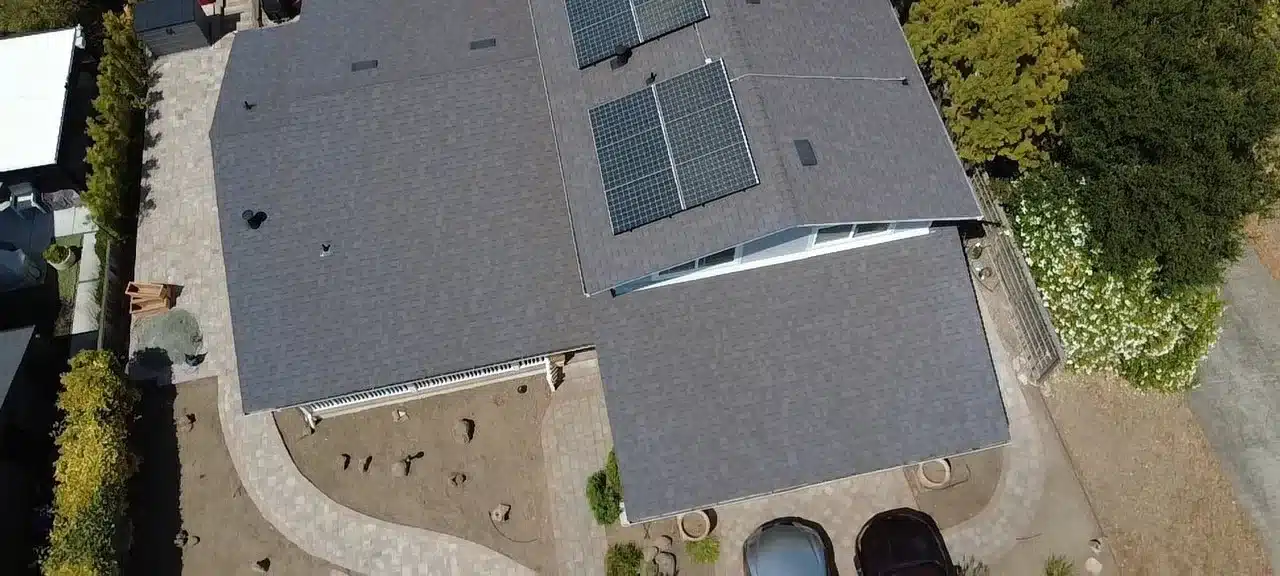
If your roof is more than about halfway through its life, replace it before the panels go on. Asphalt shingle roofs in the Bay Area typically last 20 to 30 years, while solar panels are usually warrantied for 25 years or more. Putting panels on an aging roof means paying later to detach them, replace the roof and reinstall them.
Start with a free roof inspection. We tell you how much life your roof has left and whether to re-roof first, then build the new roof around your solar plans.
We detach the array, replace the roof underneath and reinstall the panels on new, flashed mounts. If water is getting in now, we also repair leaks under solar panels.
We match the roofing system to your home, your solar plans and your budget, from new installs to full replacements under existing arrays.
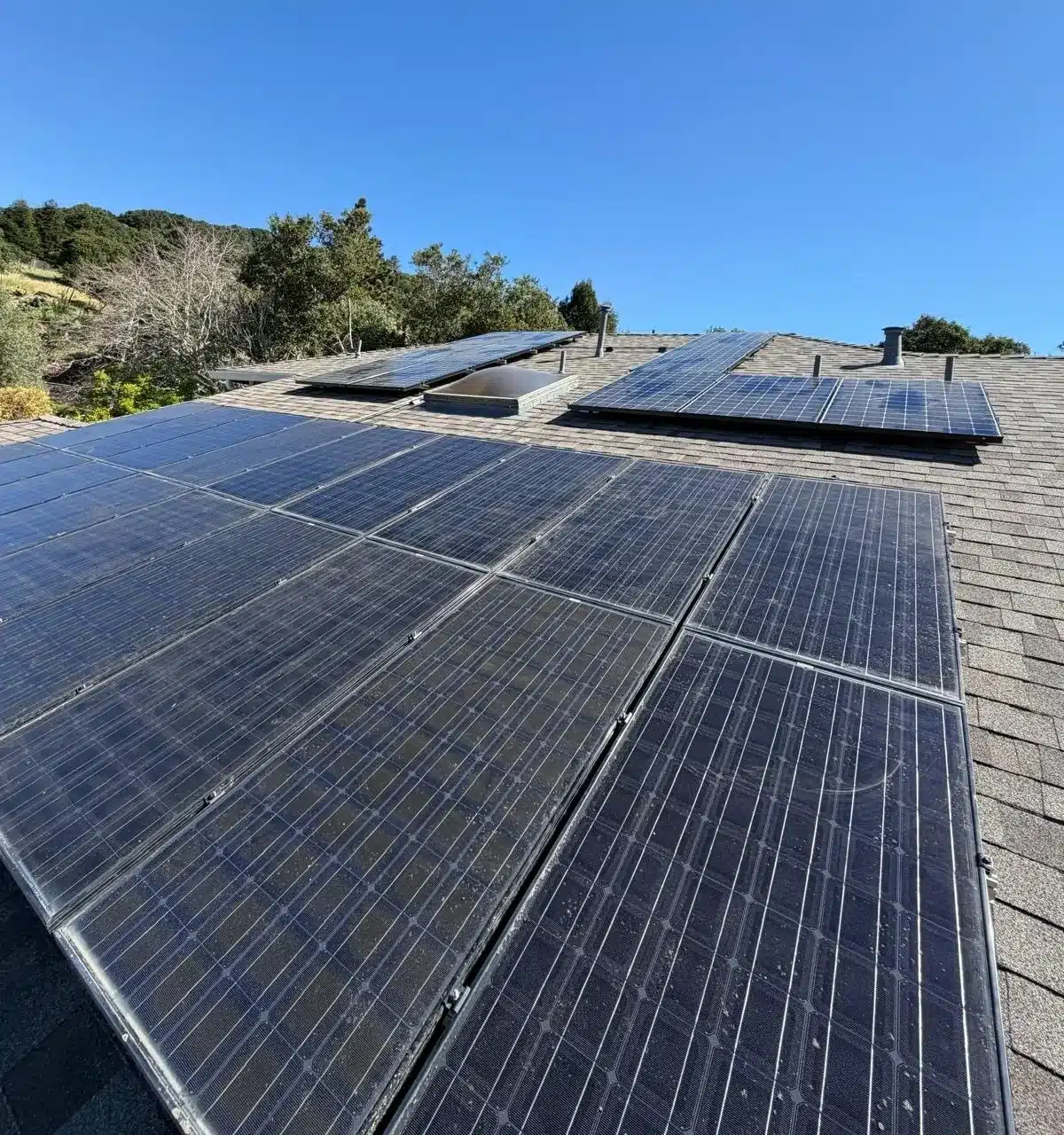
Architectural shingles over a sound, load-checked deck, with flashed mounts planned for the array. The most common choice under solar.
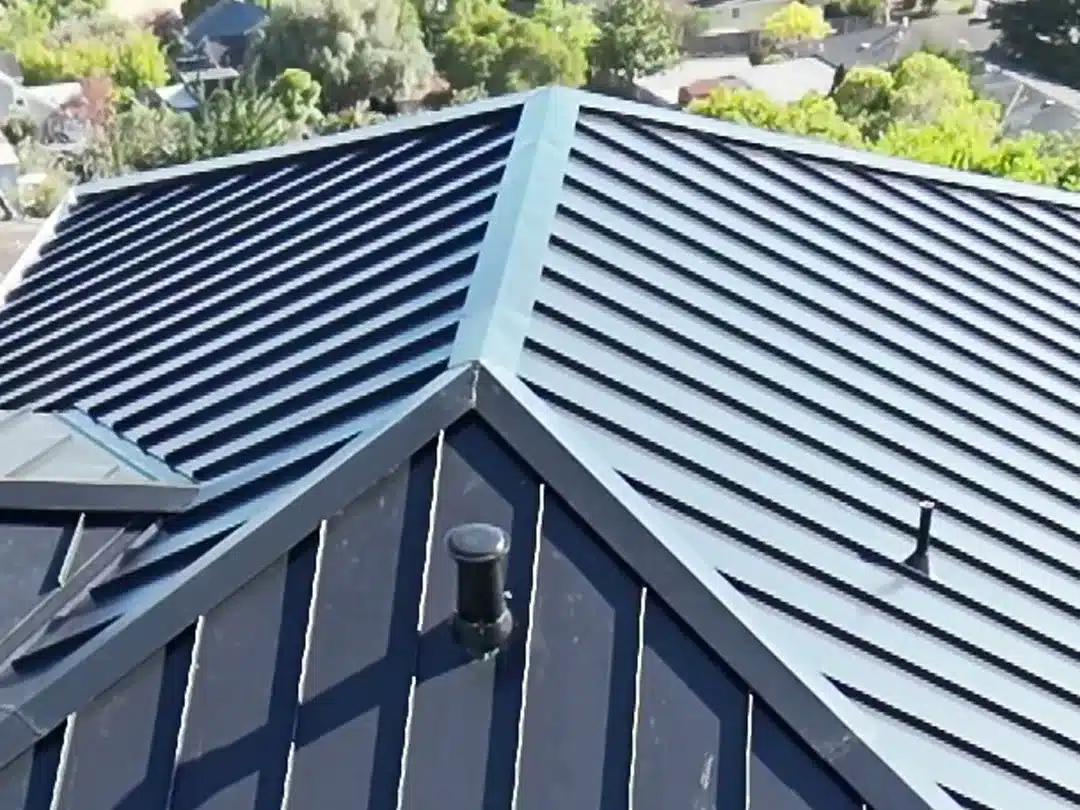
Panels can clamp to the seams without drilling through the roof, and the roof itself can outlast more than one array. See metal roofing.
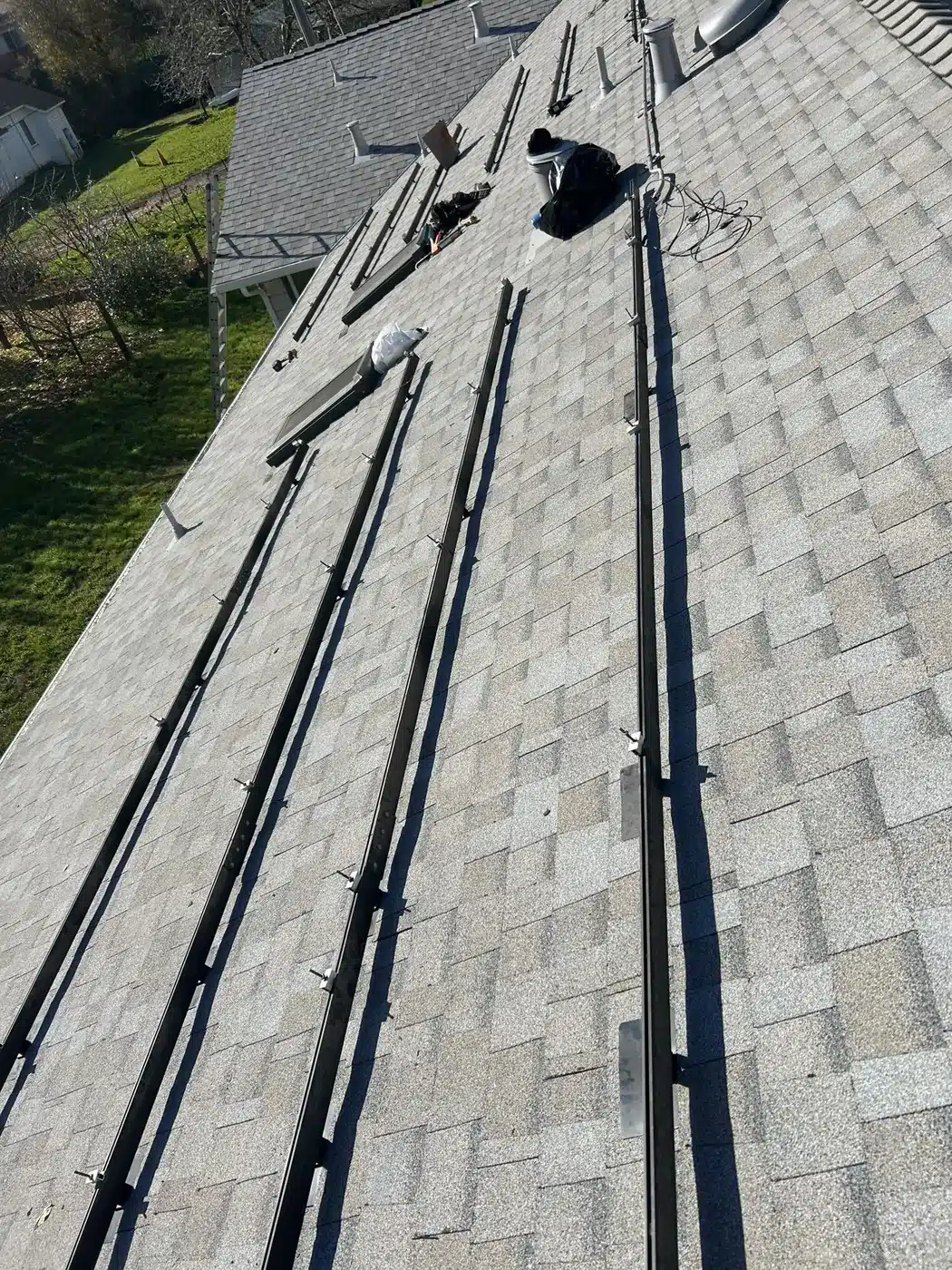
Panels removed, roof replaced, then the rails and array reinstalled on new flashed mounts, as on this Castro Valley home.
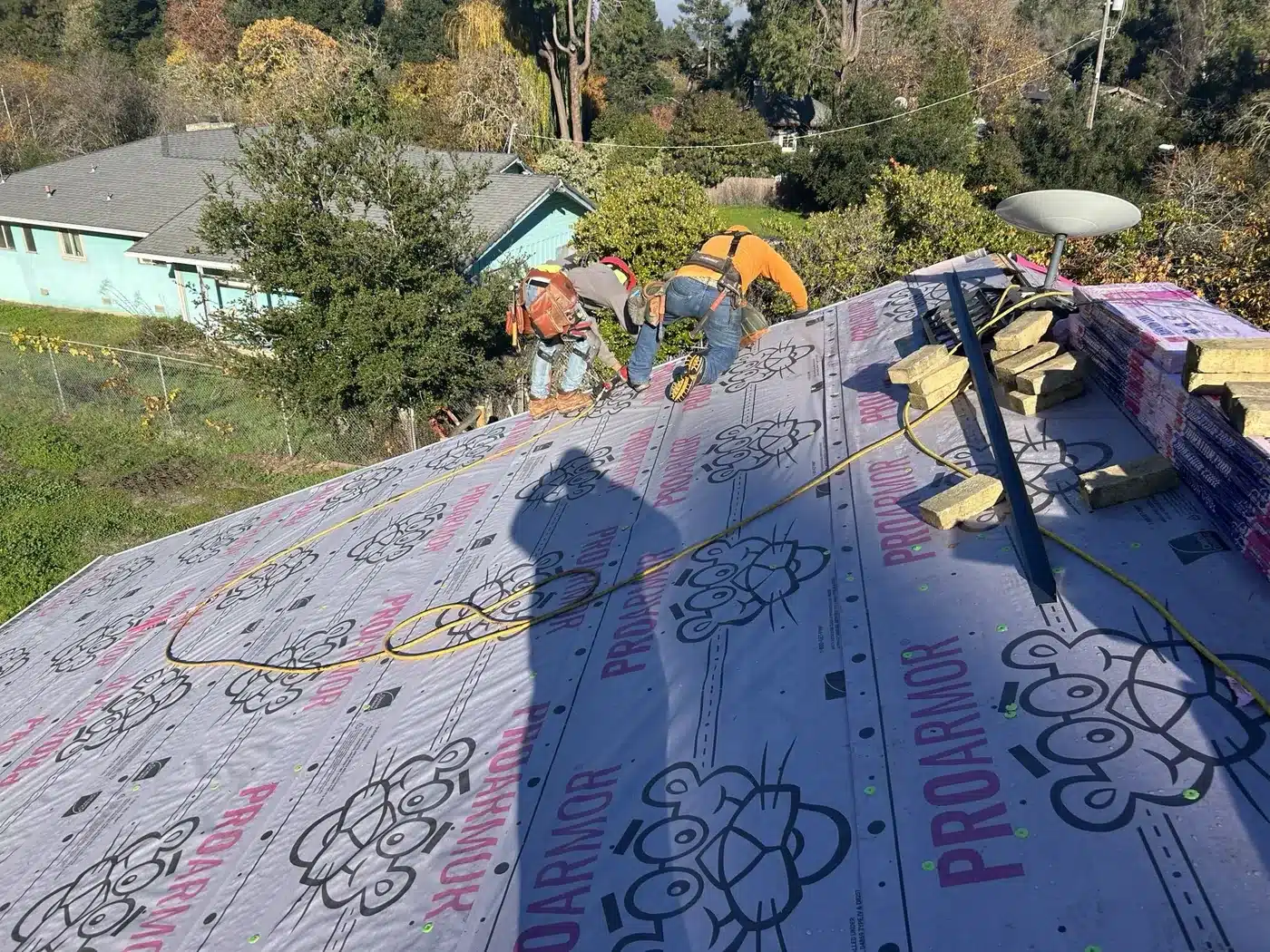
New synthetic underlayment and flashing under the whole roof, so every future mount sits on a watertight base.
Doing the roof first, or together with solar, is cheaper and cleaner than fixing it later.
Re-roofing under an existing array means detaching and resetting the panels. Doing the roof first avoids that cost later.
Mounts flashed into a new roof keep the roof watertight. Ask about our 50-year Owens Corning warranty option and 10-year workmanship warranty.
We pull the roofing permit and coordinate with your solar installer, so the two jobs fit together. See San Jose roofing permits.
From the first look at your roof to the handoff with your solar installer.
We check the roof's age, condition, pitch and structure, and tell you whether to re-roof before solar.
A detailed written bid within 24–48 hours, including any panel detach and reset and the code requirements that apply.
We pull the roofing permit and coordinate with your solar installer on mount locations and timing.
Our crews install the new roof to manufacturer spec. Existing panels are detached first and reinstalled on new flashed mounts.
Final inspection, cleanup, and a record of what we installed for you and your solar installer.
16+ years roofing the Bay Area, licensed C-39 (#1090028), and an Owens Corning Platinum Preferred contractor. We have replaced roofs under solar arrays across the South Bay, East Bay and Marin.
The panels came off, the roof was rebuilt from the deck up, and the array went back on. Read the Corte Madera case study.
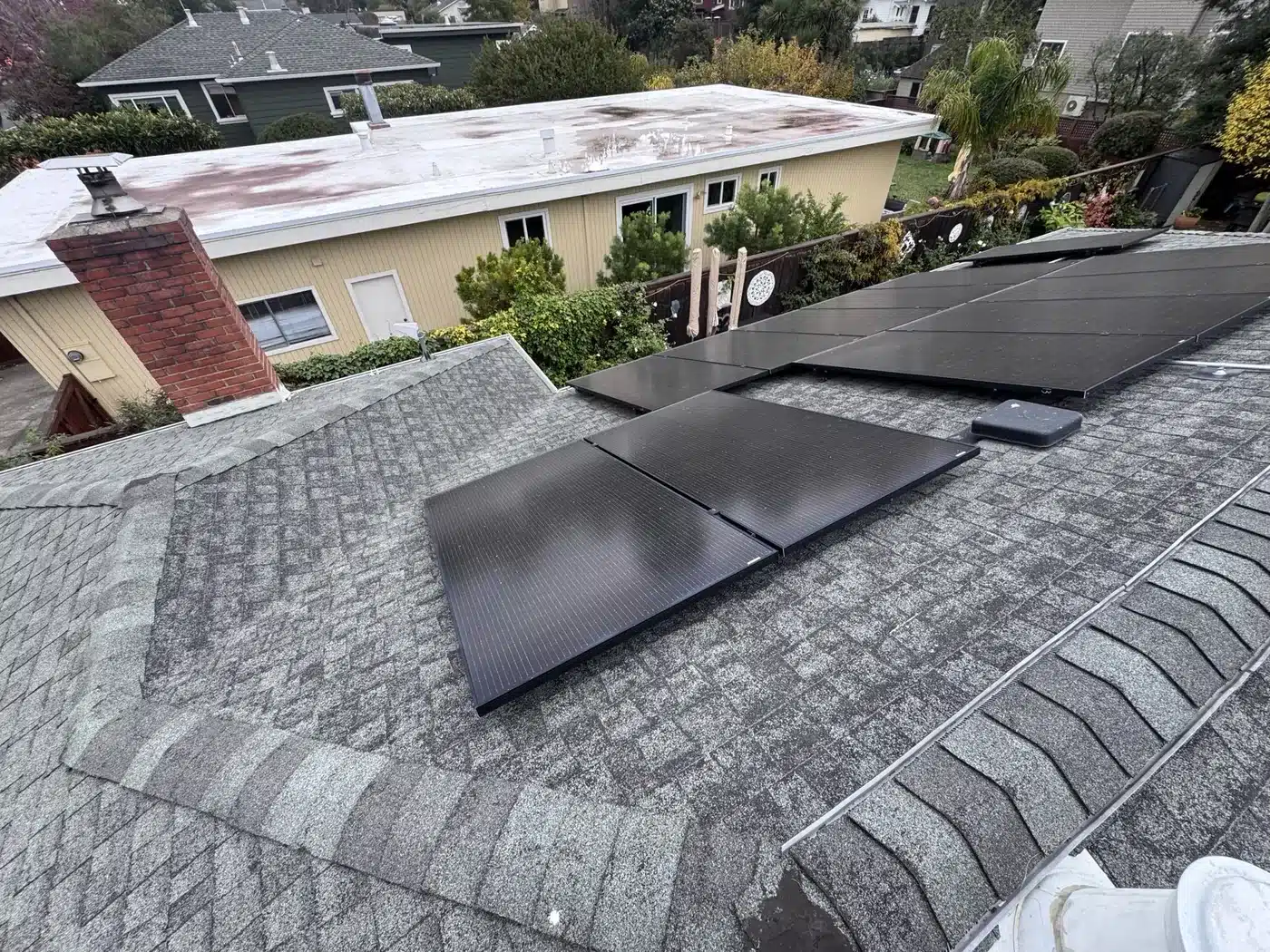
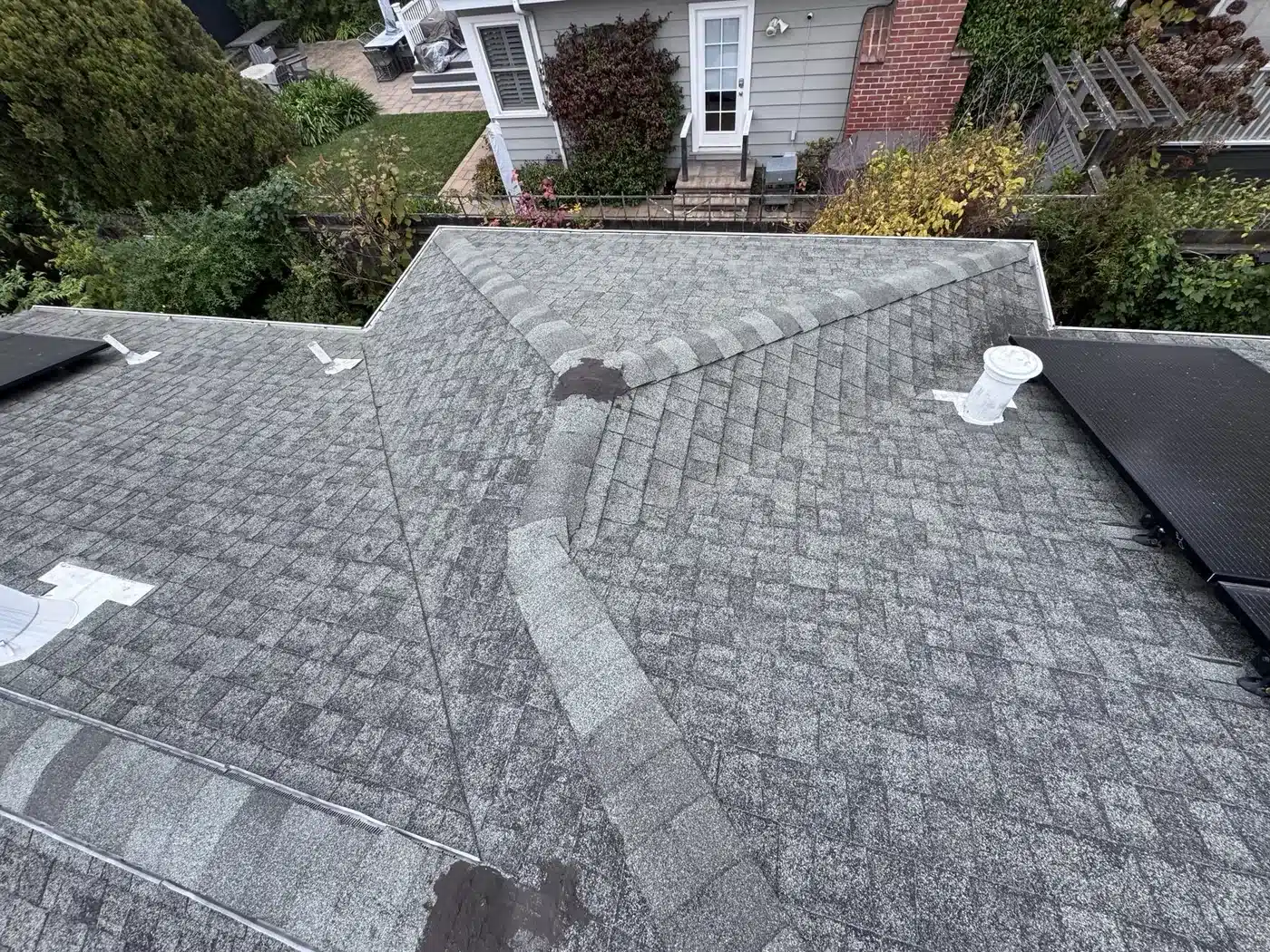
A solar-ready roof has the structural capacity for the weight of the panels, solar-compatible underlayment and flashing, and a roof surface with enough life left to outlast the array. We also plan where the mounts and wiring will go, so your solar installer is not cutting into a brand-new roof.
It depends on your roof's age, condition, and structural capacity. We start with a roof inspection in San Jose and tell you honestly whether a new solar-ready roof makes financial sense, or whether panels can go on the roof you have.
Standing-seam metal roofing is technically ideal, because panels can clamp to the seams without drilling through the roof. Asphalt shingles are the most common and cost-effective choice. We help you match the material to your solar plans and budget.
Yes. We work directly with your solar installer so the roof specs line up with their mounting requirements, and we document what we installed so their crew has what it needs.
Most residential installs take 2–4 days, and solar-ready upgrades typically add about a day. Planning a new build? Our new construction roofing team plans for solar from day one.
Yes. We detach your solar panels, replace the roof underneath, and reinstall the panels on new, properly flashed mounts, so the array goes back on a roof that will outlast it. We have done it on homes in Castro Valley, San Rafael, El Sobrante and Corte Madera, and we handle leaks under existing solar panels in San Jose. Replacing the roof before or during a solar project avoids paying to remove the panels a second time later.
Get a free roof inspection and a written bid within 48 hours. We will tell you honestly whether to re-roof before your panels go on.
A Marin County reroof under 24 solar panels: full detach, new roof, and reset, with the cost broken down.
Book a Free Inspection