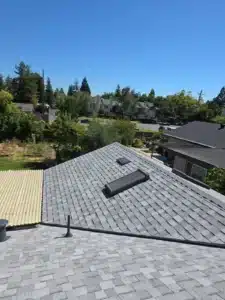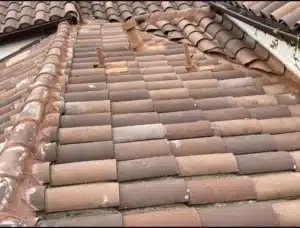
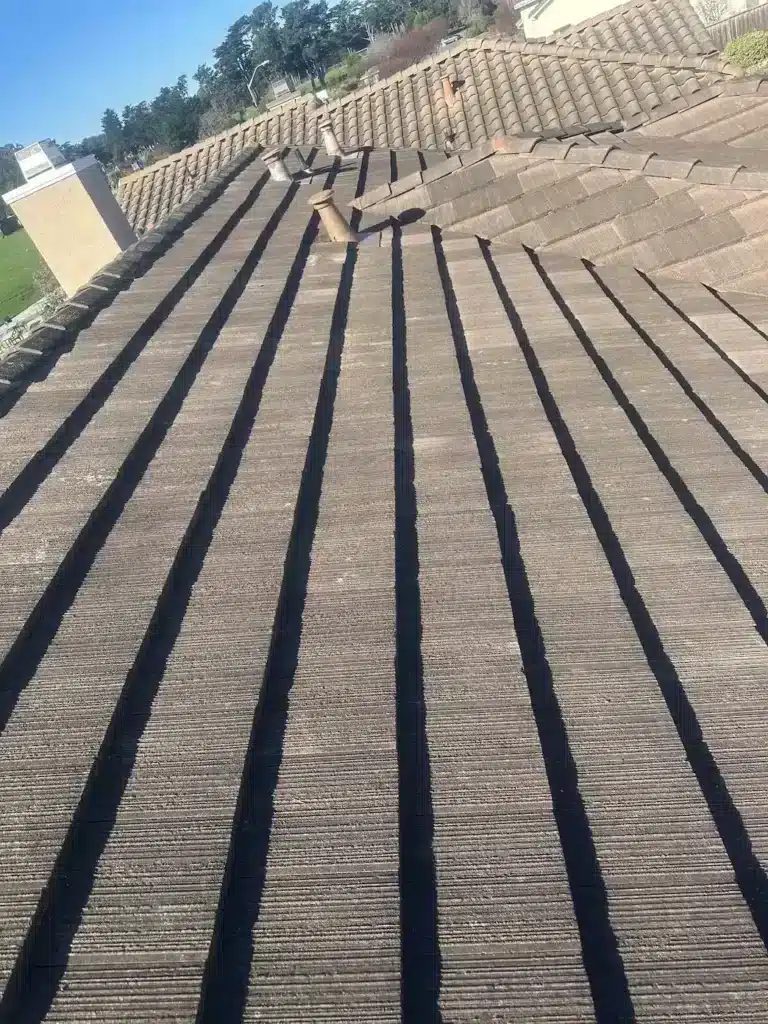
Yes — when the tiles are still sound, you can renew a tile roof without replacing it. In South San Francisco, we lifted the existing concrete tiles, replaced the worn underlayment that was actually causing the trouble, and relaid the same tiles over the new waterproofing — a few days of work in late January 2026, closed out with the homeowner paid in full.
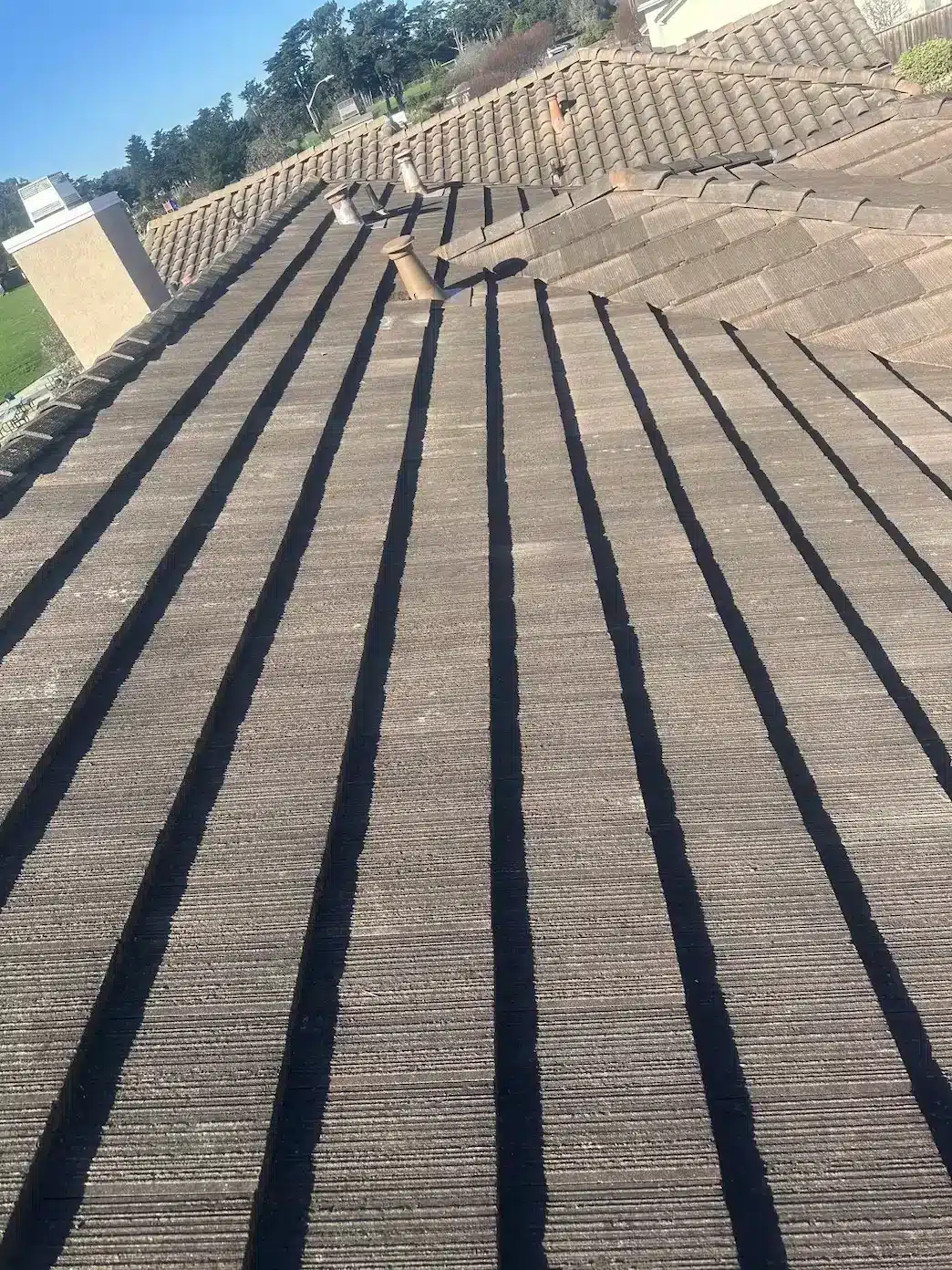
Yes — when the tiles themselves are still in good shape, a lift-and-relay repairs the roof without replacing it: the crew lifts the existing tiles, replaces the worn underlayment and any damaged decking beneath them, and resets the same tiles over the new waterproofing. That’s exactly how this South San Francisco project ran — the concrete tiles had years of life left, so replacing the whole roof would have meant paying to throw away good material. Whether your tiles qualify is the first thing a free roof inspection should tell you, with photos.
Good Tiles, Worn-Out Waterproofing Underneath
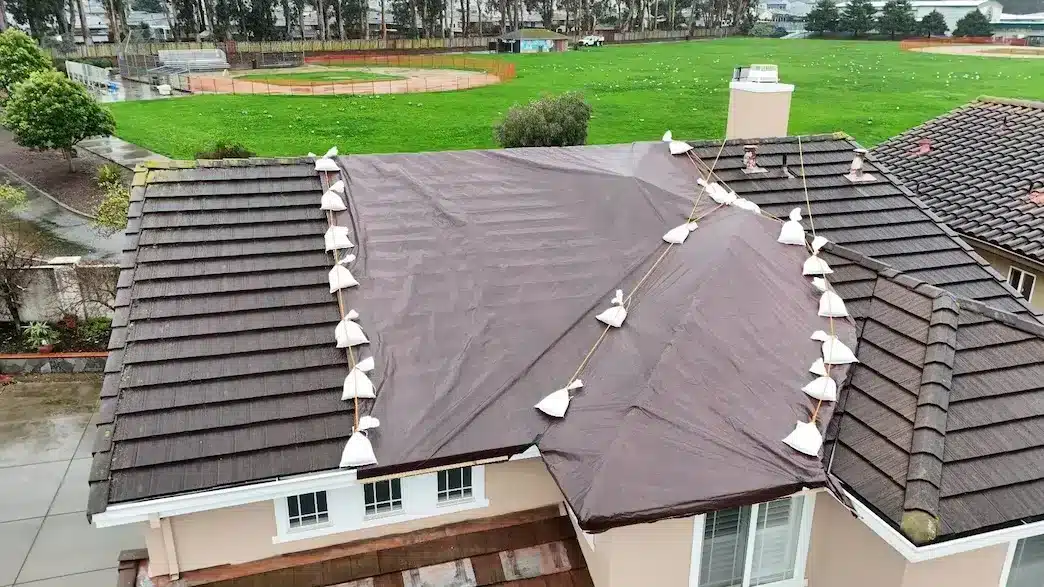
This is the classic tile-roof dilemma, and it confuses a lot of homeowners: the concrete tiles looked fine, but the roof was showing trouble underneath. That’s because tiles aren’t actually what keeps the water out — they’re the tough outer shell, while the real waterproofing is the underlayment on the deck beneath them. Concrete tiles can last fifty years or more; the felt under them wears out decades sooner. With winter storms rolling through, the failing sections were tarped and sandbagged between work sessions — the same containment-first approach as our emergency roof tarping service — so no exposed deck ever sat open in the rain. The full range of what a tile repair can involve — leak tracing, flashing rebuilds, sectional lift and re-lay — is set out on our tile roof repair page.

A Lift-and-Relay — Keep the Tiles, Renew What’s Underneath
Homeowners online constantly worry about being pushed into a full tile roof replacement they don’t need, and it’s a fair fear — a new tile roof is one of the most expensive projects a house can take on. The honest diagnosis here was simpler: the tiles were serviceable, the underlayment wasn’t. So we scoped a lift-and-relay — carefully lift the existing concrete tiles, renew the deck and waterproofing, and reset the same tiles — the standard approach in our tile roof repair and replacement work when the outer shell is worth saving. If tiles are cracked and crumbling across the whole roof, replacement is justified. When they’re not, preserving them is the more sensible and economical path, and a good contractor should show you which situation you’re in rather than assume the expensive one.
Lift, Renew, Relay — How the Work Ran
The crew worked section by section: lift the tiles and stack them on the roof, strip the aged felt, inspect the deck and address any worn wood, then dry the section in with new Sika synthetic underlayment and fresh battens. Working in sections meant the roof was never fully opened up at once — and every open section was tarped before the next rain band came through.
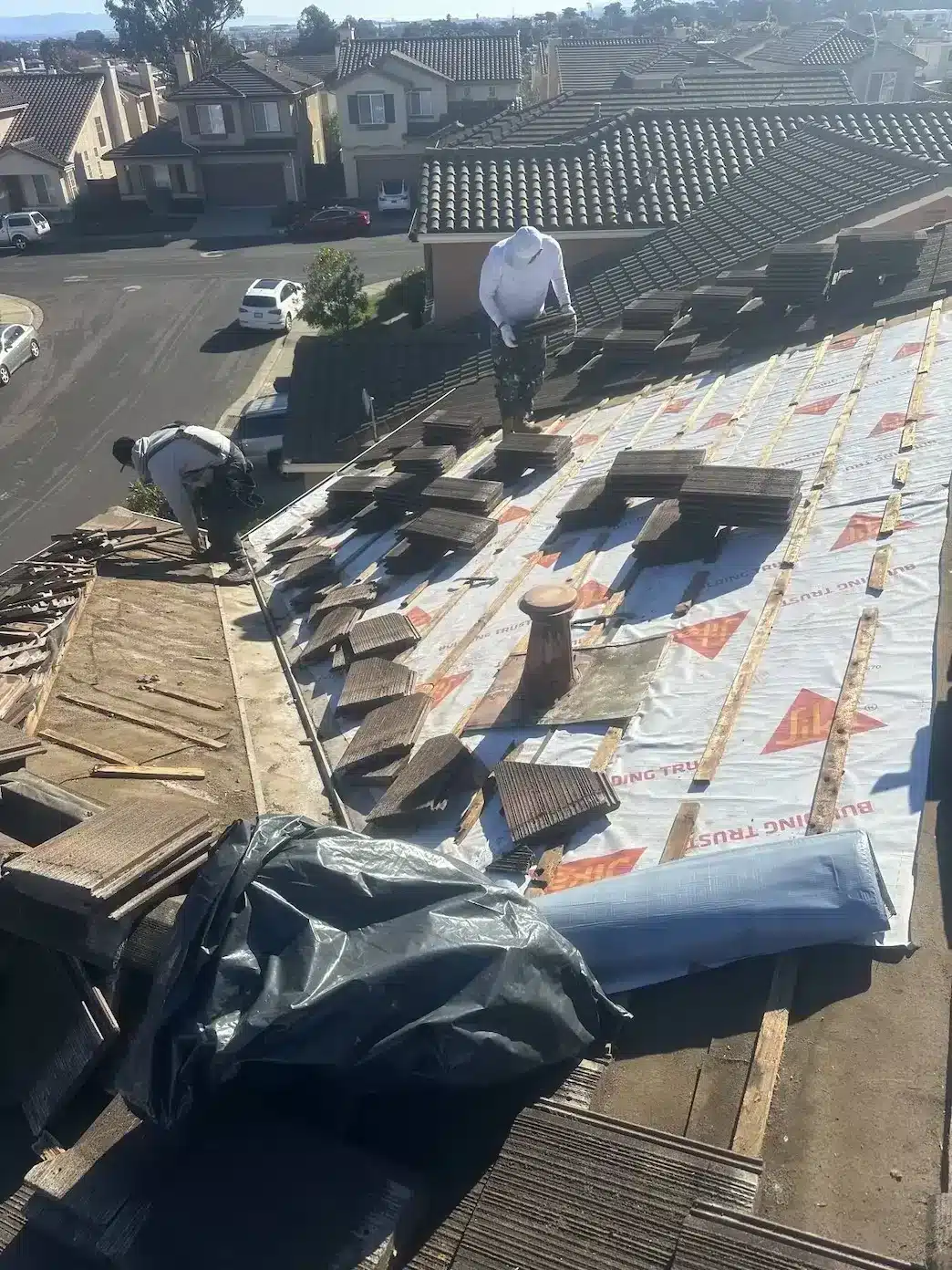
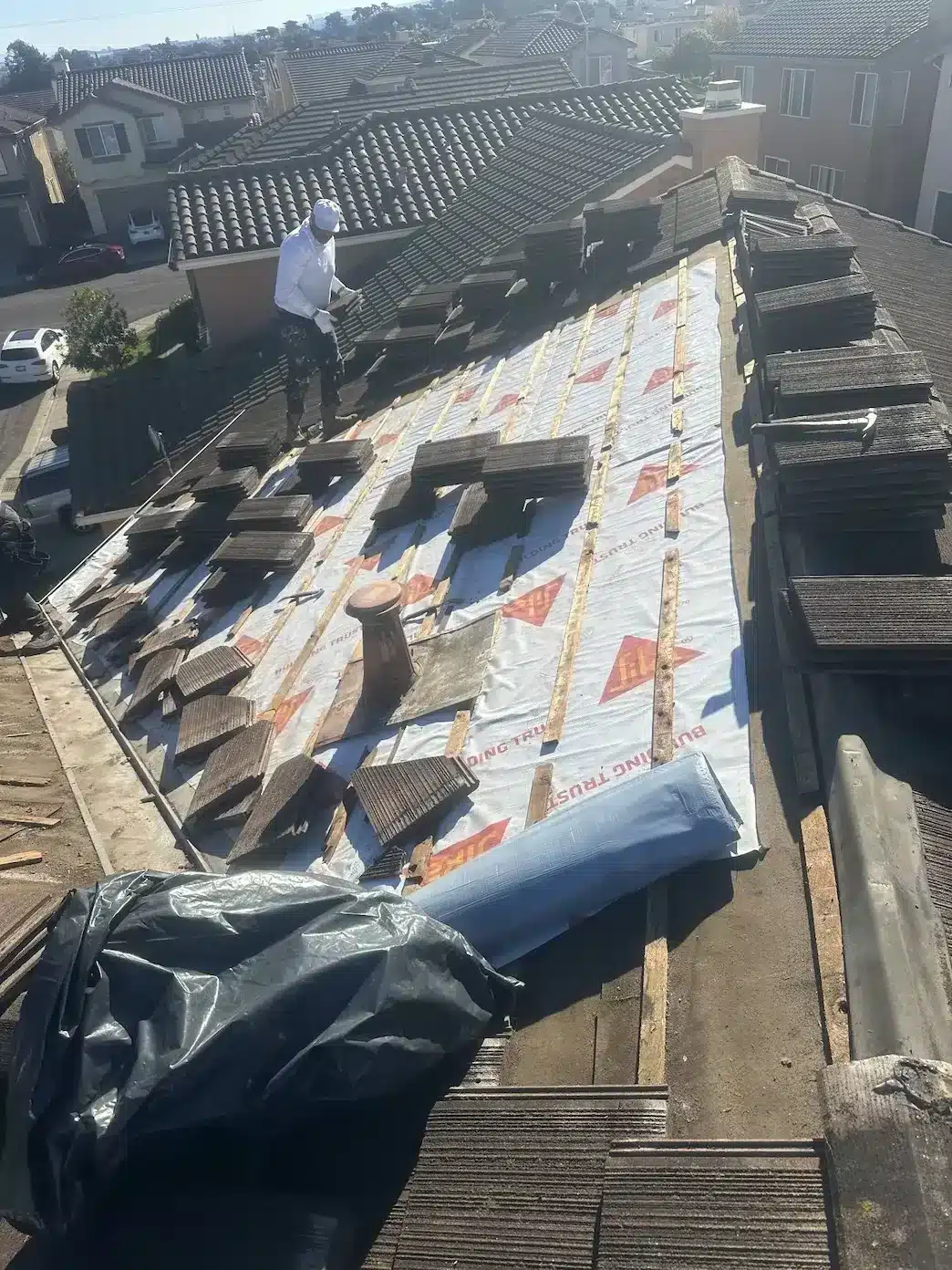
Then the original tiles went back down course by course on the new battens. Some breakage is inevitable when lifting decades-old tiles — a normal part of every lift-and-relay, not a sign of carelessness — and cracked tiles were swapped for matching replacements rather than reset. The result reads as the same roof from the street, but the layer doing the real work underneath is brand new.
Before vs. After
| Feature | Before | After |
|---|---|---|
| Waterproofing layer | Aged felt past its service life | New Sika synthetic underlayment |
| Concrete tiles | Sound, but sitting on failing felt | Same tiles, lifted and relaid |
| Roof deck | Hidden under tiles, condition unknown | Exposed, inspected, worn wood addressed |
| Battens | Original, decades old | Replaced with fresh battens |
| Cracked tiles from handling | Inevitable on decades-old tiles | Swapped for matching replacements |
| Project status | Leak trouble in the winter rains | Completed — homeowner paid in full |
Why This Matters for Peninsula Tile Roofs
South San Francisco and the mid-Peninsula are full of concrete tile roofs from the same construction era — which means thousands of homes where the tiles have decades left but the original felt underneath is quietly aging out at the same time. Fog, marine air, and wind-driven winter rain find a failing underlayment fast. The takeaway from South San Francisco is that “tile roof trouble” doesn’t automatically mean “new tile roof”: diagnose which layer is failing first, because the fix for bad underlayment under good tiles — a lift-and-relay, like our Foster City concrete tile work — costs a fraction of full replacement and resets the clock on the roof’s weatherproofing. If your tile roof is 20+ years old and has never had the underlayment renewed, a free inspection will tell you where it stands before a leak decides for you.
Tile Roof Repair Questions, Answered
Why do tile roofs leak if the tiles themselves look fine?
Because the tiles are not what keeps the water out. Tiles are the tough, weather-resistant outer shell; the real waterproofing is the underlayment sitting on the roof deck beneath them. Concrete and clay tiles can easily last fifty years or more, while the underlayment typically wears out much sooner — so a roof with perfectly serviceable tiles and a failed waterproofing layer is completely normal. That mismatch is exactly what this project addressed.
Is it normal for some tiles to break during a lift and relay?
Yes, and homeowners should expect it up front. Even with careful handling, walking a tile roof and lifting decades-old tiles inevitably cracks a percentage of them — a portion getting replaced is a normal part of the job, not a sign of carelessness. What matters is that broken tiles are actually replaced with matching ones rather than left in place, and that the number is reasonable for the size and age of the roof. A good contractor plans for breakage and sets expectations before starting.
What does tile roof underlayment work typically cost?
Costs vary widely by roof size, pitch, tile type, and region — homeowners online report everything from a few thousand dollars for a targeted repair up to tens of thousands for a full lift-and-relay on a large home. Tile roofs are labor-intensive: every tile has to be lifted and reset, so the price reflects hands-on time as much as materials. The best way to compare quotes is to check that each spells out the scope — how much of the roof is addressed, which underlayment product is used, and how broken-tile replacement is handled.
Told Your Tile Roof Needs Full Replacement?
Get a second opinion before you pay to throw away good tiles. We diagnose which layer is actually failing and quote the least invasive fix that will genuinely last — see more real projects in our project gallery.
Gina K. writes about Bay Area roofing for Lifetime Roofing & Renovation, drawing on the team's 16+ years of experience roofing homes across Silicon Valley.