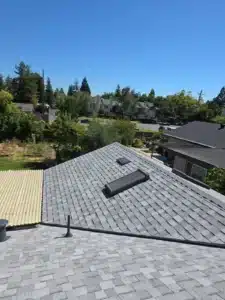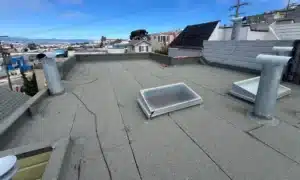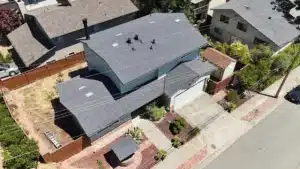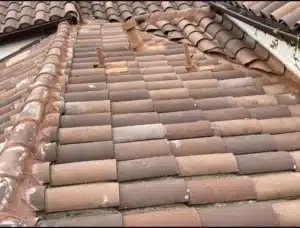
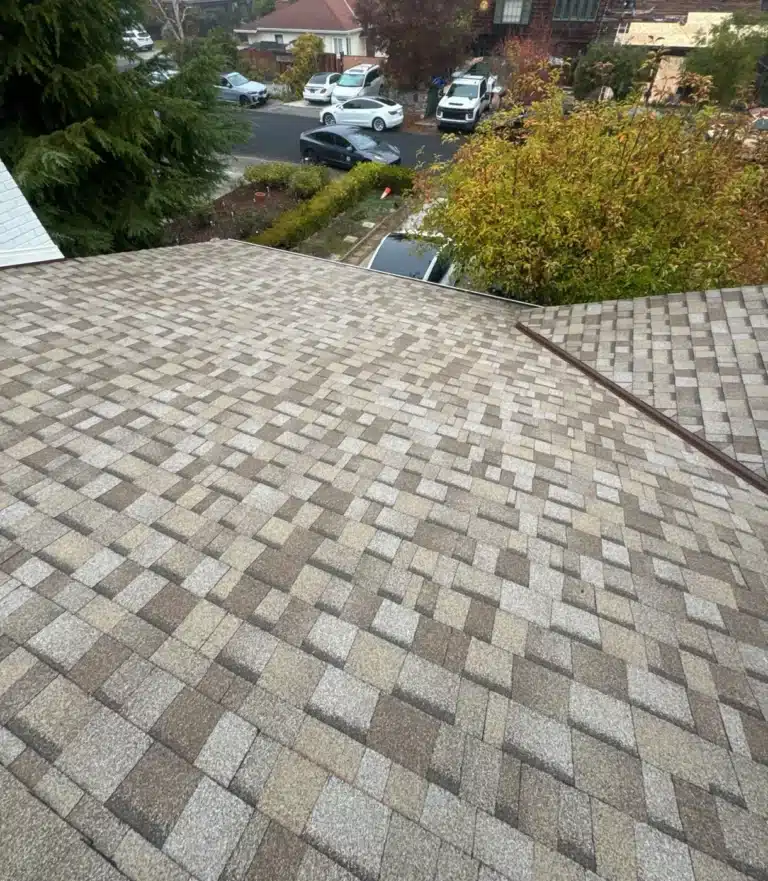
A moss-covered 1960s cedar shake roof in south Palo Alto, replaced before the winter rains: full tear-off, a new plywood deck built over the original skip sheathing, Owens Corning Title 24 cool-roof shingles, new gutters and downspouts — and while the roof was open, the attic got gutted and rebuilt too, with fresh R-38 insulation on both levels.
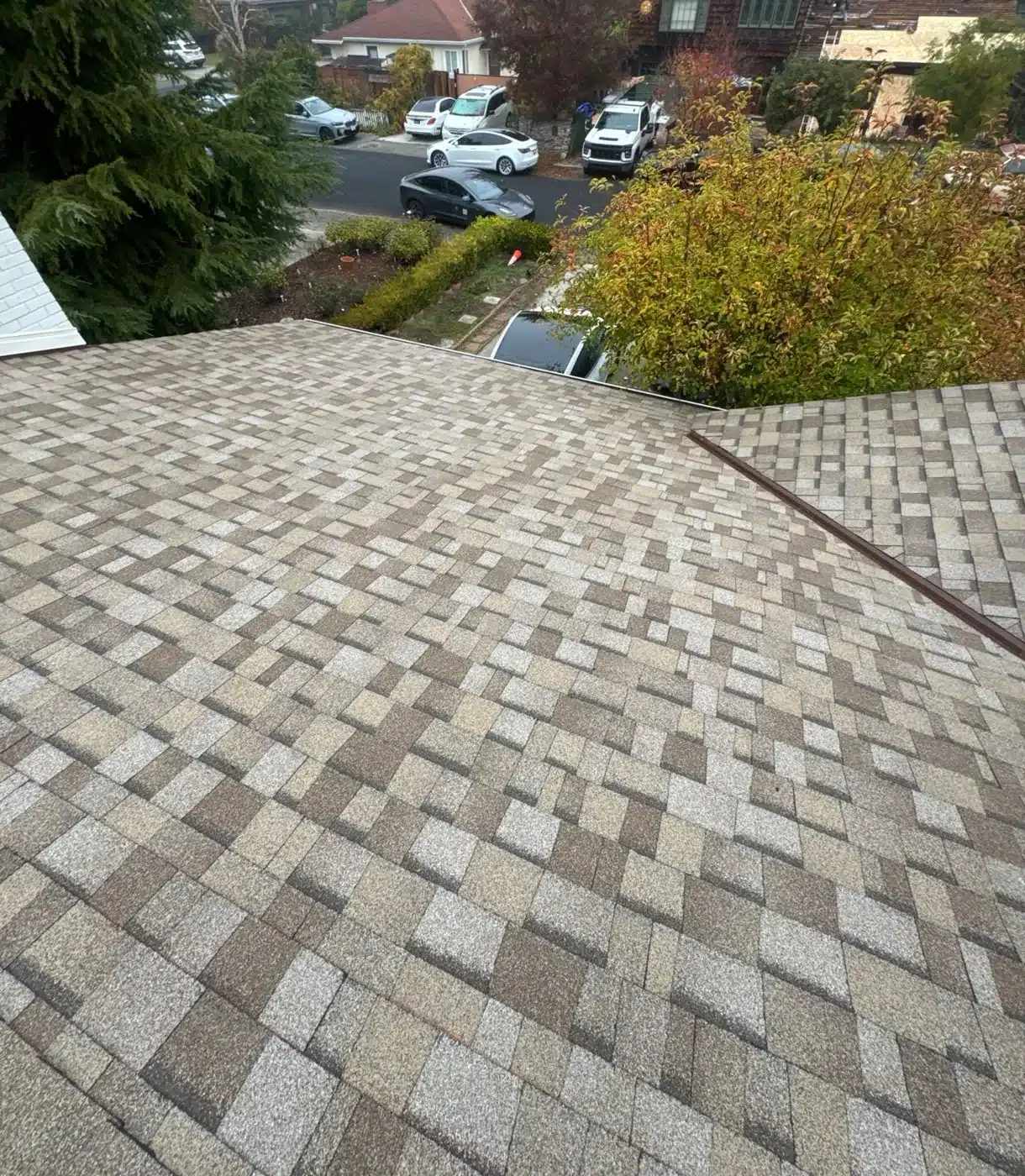
This Palo Alto cedar shake replacement cost $28,093 including the $593 city permit — a complete tear-off of the old wood shake roof, a new solid plywood deck installed over the original skip sheathing, synthetic underlayment with peel-and-stick in the sensitive areas, all-new flashings and code vents, Owens Corning Title 24 cool-roof shingles, and new gutters and downspouts all the way around. Cedar shake replacements run higher than a standard shingle-over-shingle reroof for one structural reason: shake roofs were built on spaced skip sheathing, so asphalt shingles can’t go on until a solid deck is built over it. The homeowner also added a $15,000 attic restoration — old insulation vacuumed out, the space sanitized and rodent-proofed, and new R-38 fiberglass installed — bringing the whole project to $43,093.
A Wood Shake Roof That Was Done Telling Polite Warnings
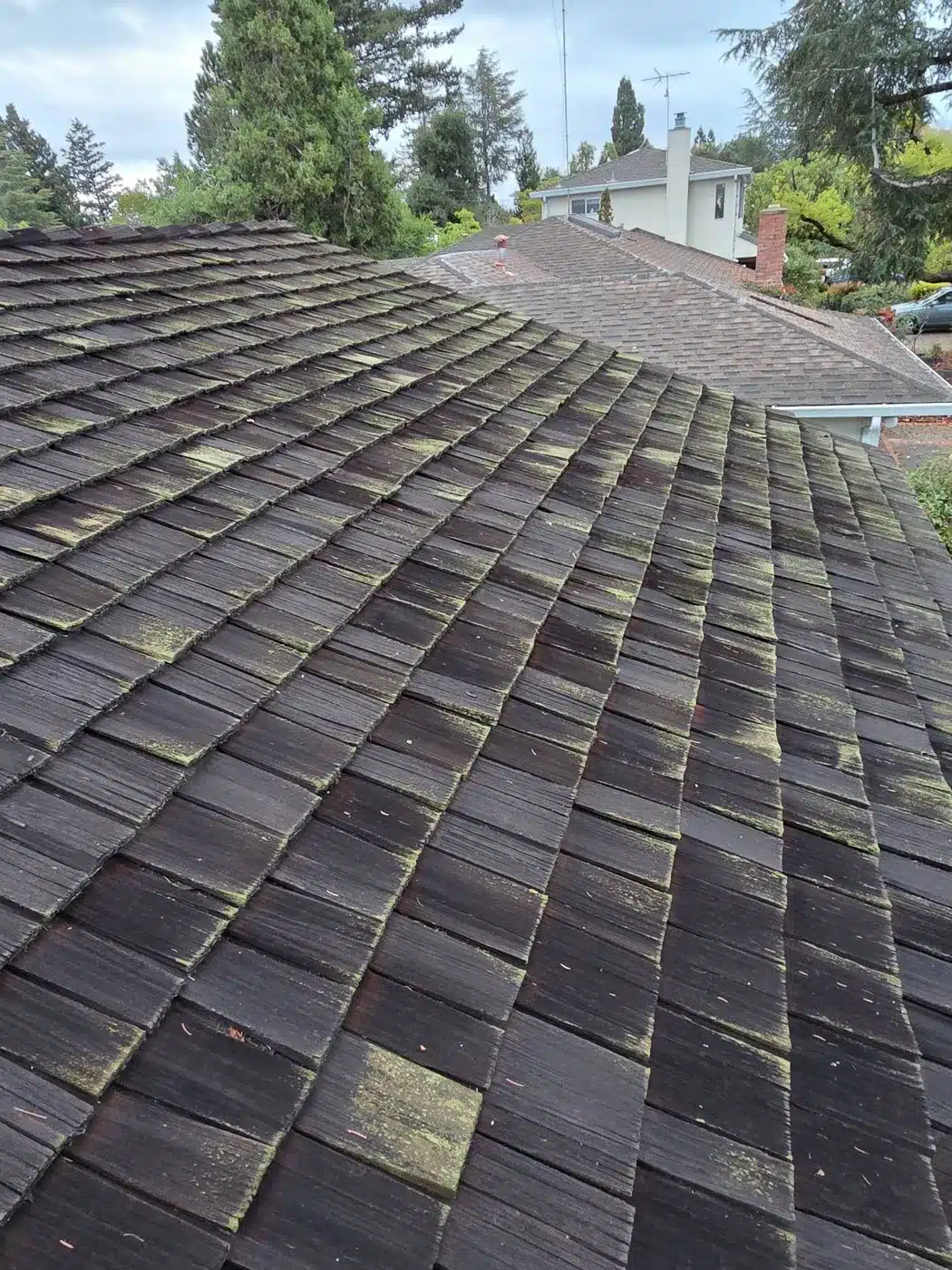
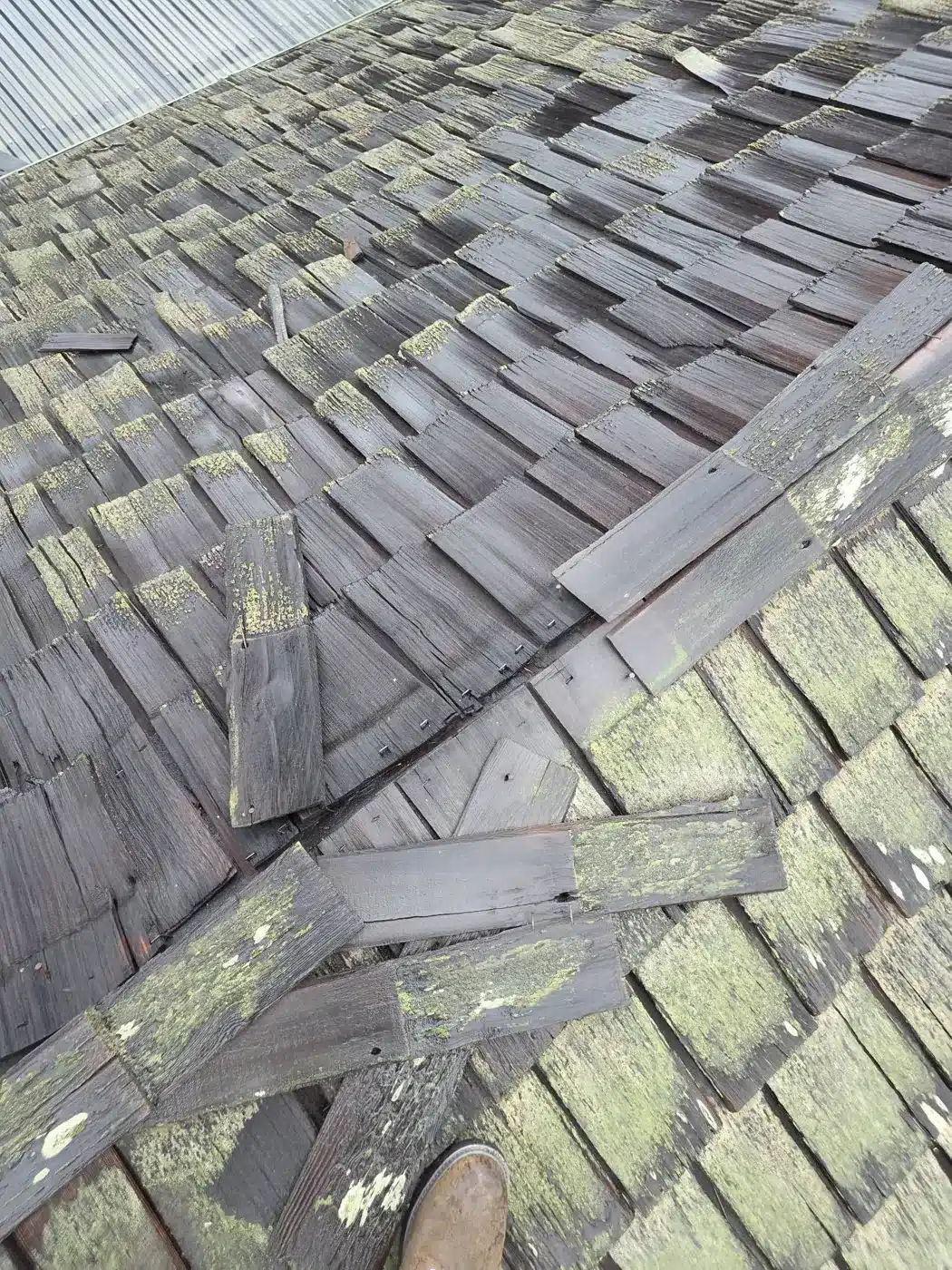
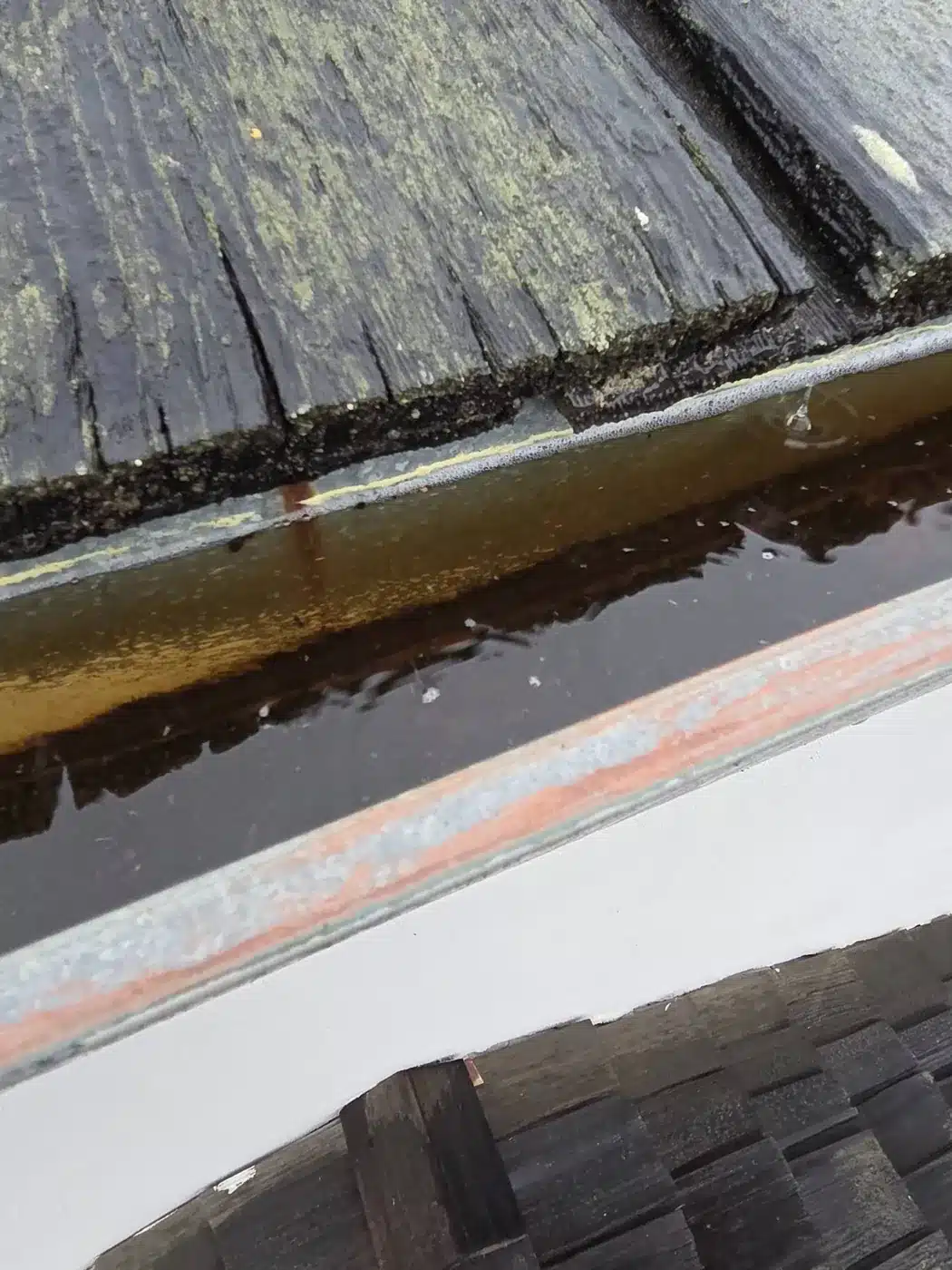
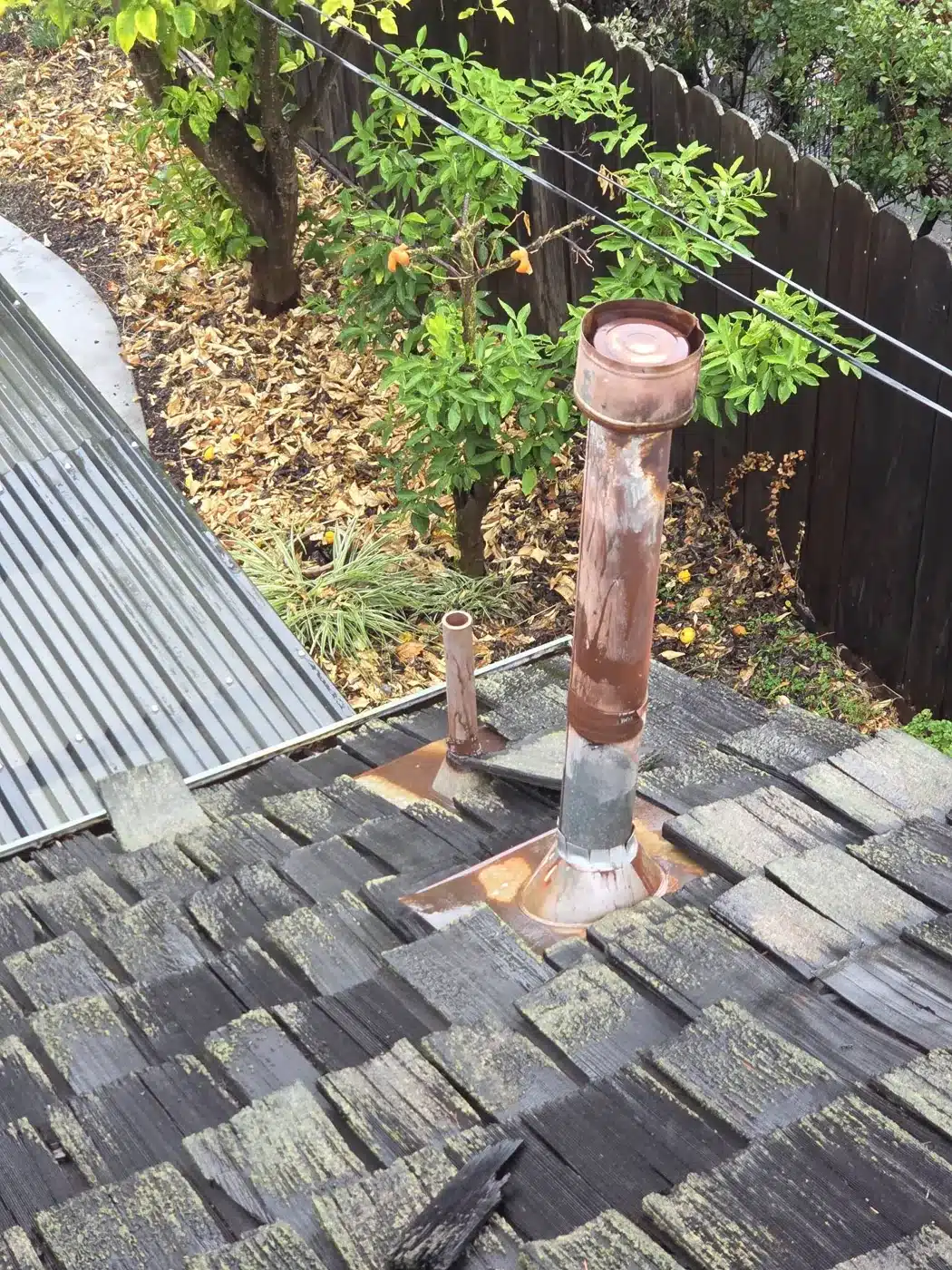
Stephen’s single-story home sits in south Palo Alto’s 94306, in a neighborhood where whole streets were originally roofed in cedar shake. His had reached the stage every old shake roof eventually reaches: moss and lichen colonizing the shaded slopes, individual shakes slipping out of their courses with patch repairs layered on top of older patch repairs, a rusted-through furnace flue, and — the clearest signal of all — standing water pooled in a gutter that no longer drained. Wood shake fails slowly and then suddenly: once shakes start sliding and the surface holds moisture instead of shedding it, every rain is finding its way closer to the framing.
Build a Real Deck First, Then a Title 24 Cool-Roof System
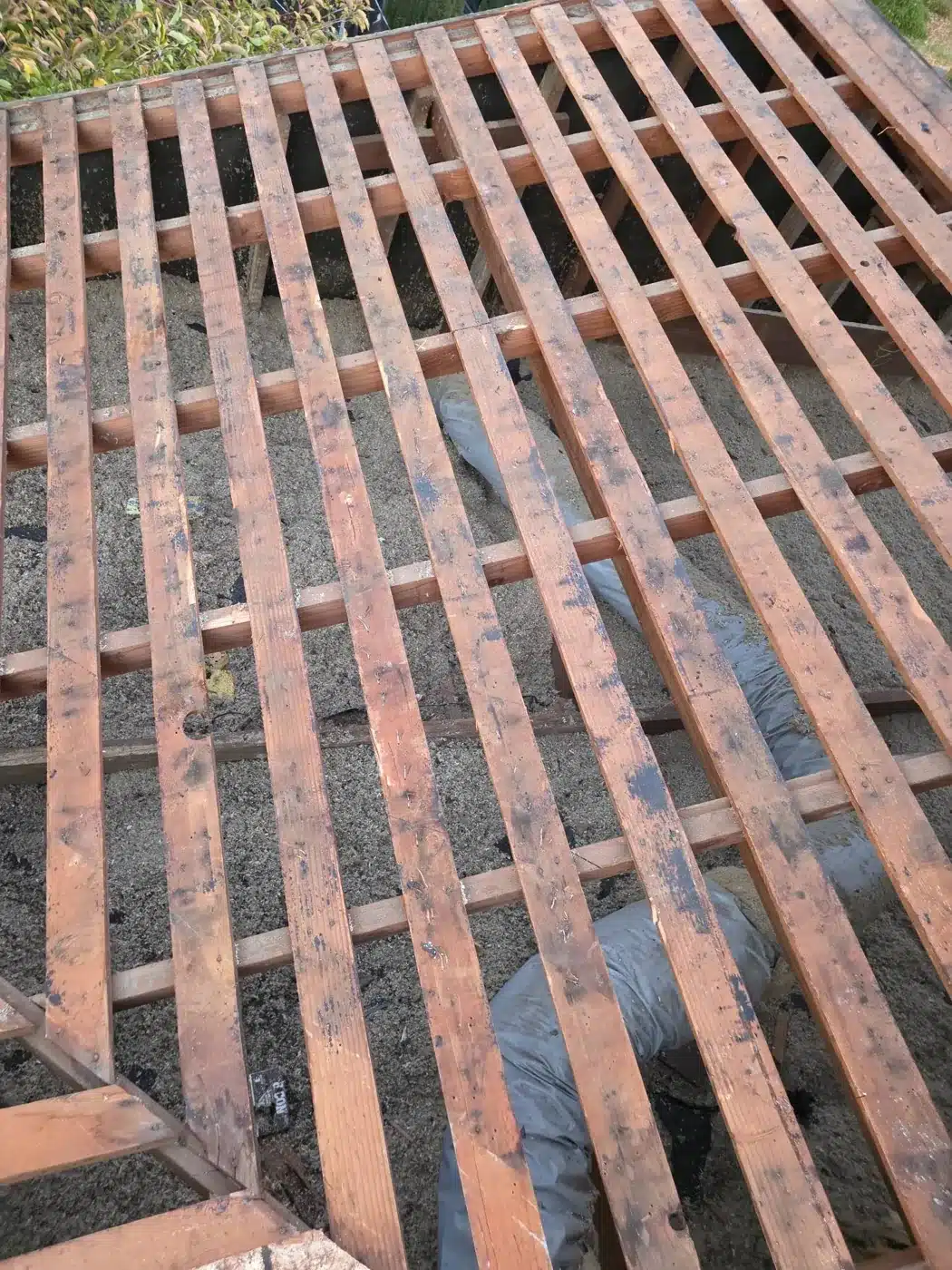
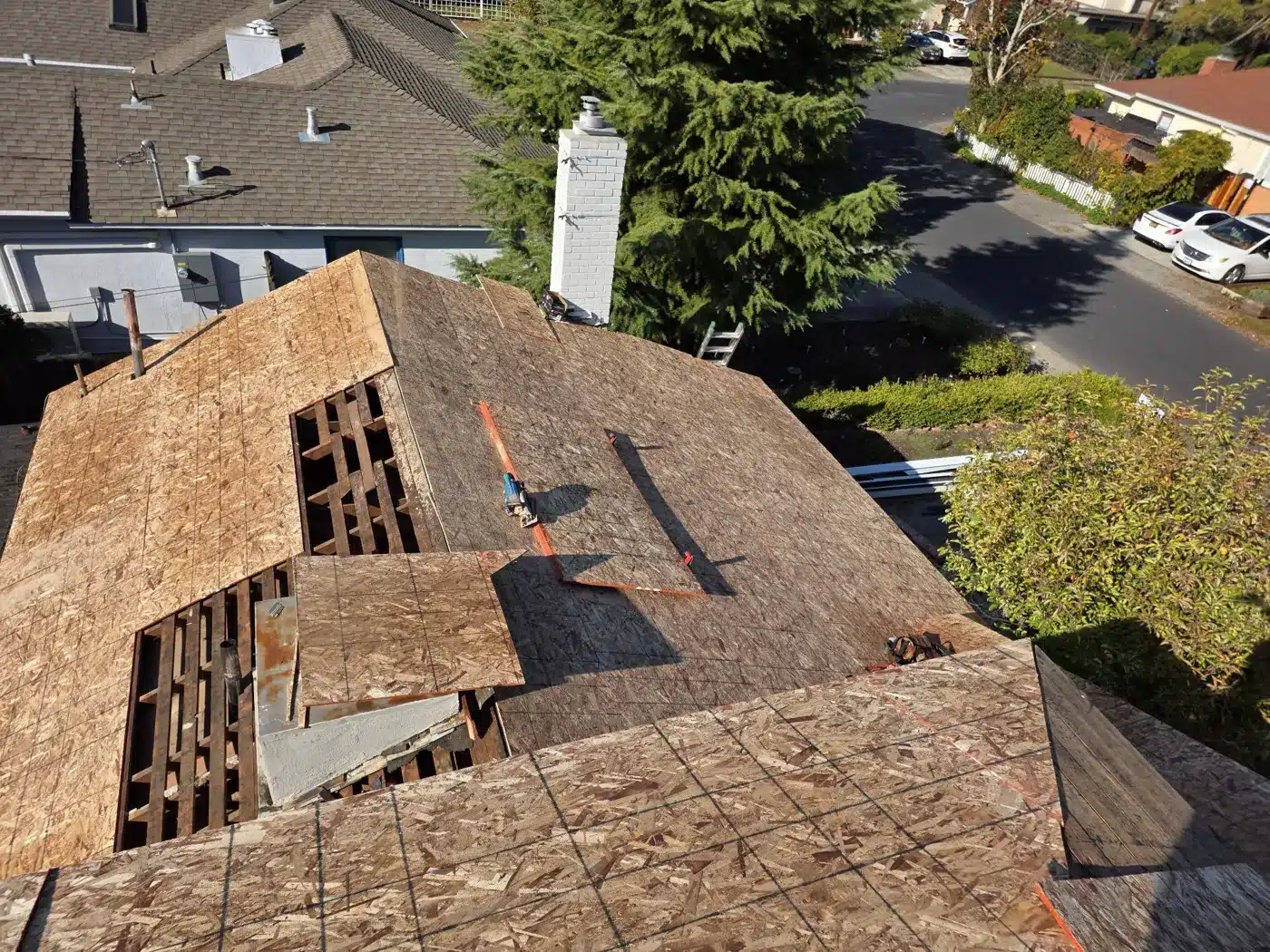
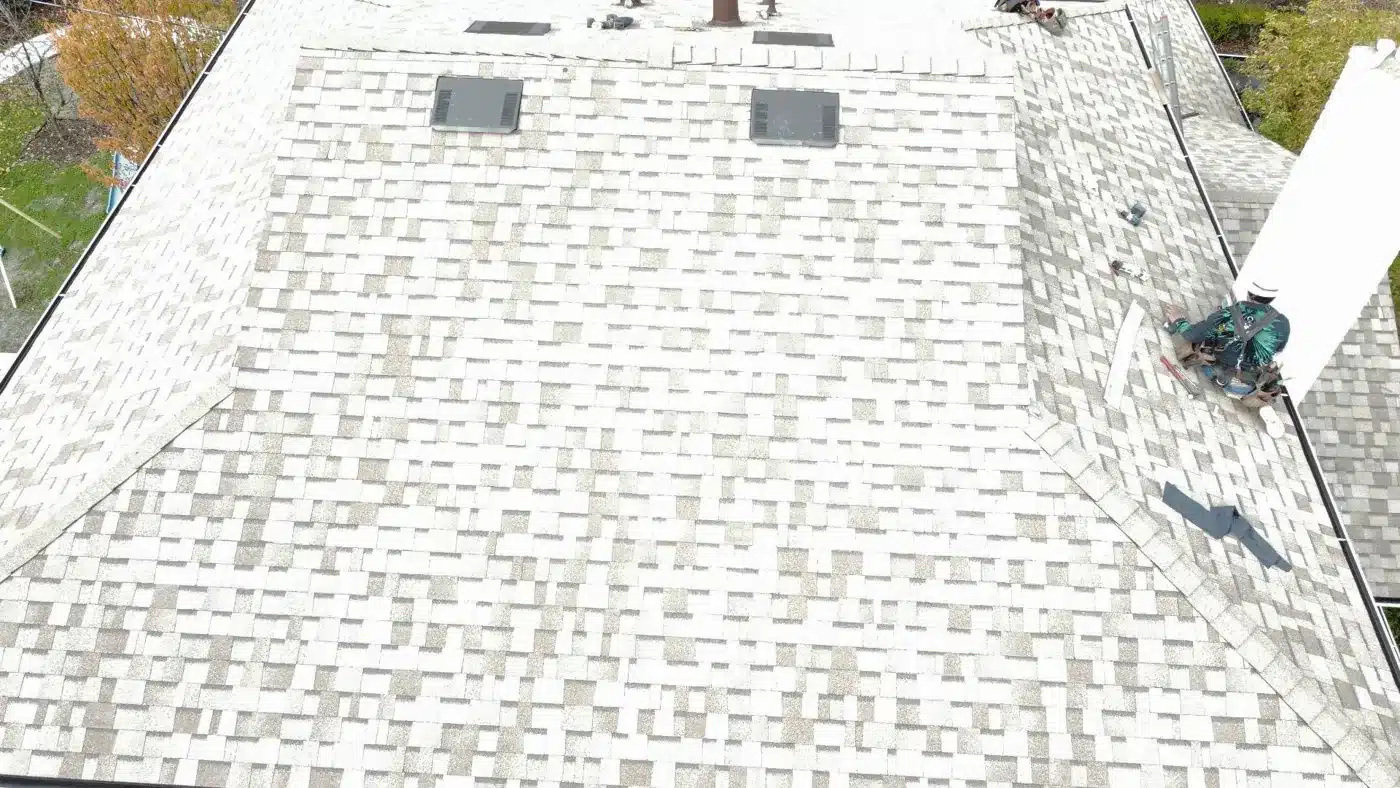
The defining move on any shake-to-shingle conversion happens before a single new shingle appears. Cedar shake was traditionally installed over skip sheathing — spaced 1x boards with air gaps between them so the wood could breathe. Asphalt architectural shingles need continuous support, so after tear-off we installed a full plywood overlay across the entire roof, turning the original skeleton into a solid, modern deck. Over that went synthetic underlayment fastened with cap nails, peel-and-stick membrane in the vulnerable areas, new metal drip edge around the full perimeter, metal valleys, new vent flashings, and low-profile vents per code. The finish surface is an Owens Corning Title 24 cool-roof shingle — reflective enough to meet California’s energy code for reroofs and a fraction of the fire risk of the wood it replaced. New gutters and downspouts went up all the way around, so the new roof drains onto new metal.
A Full Attic Restoration Under the New Deck
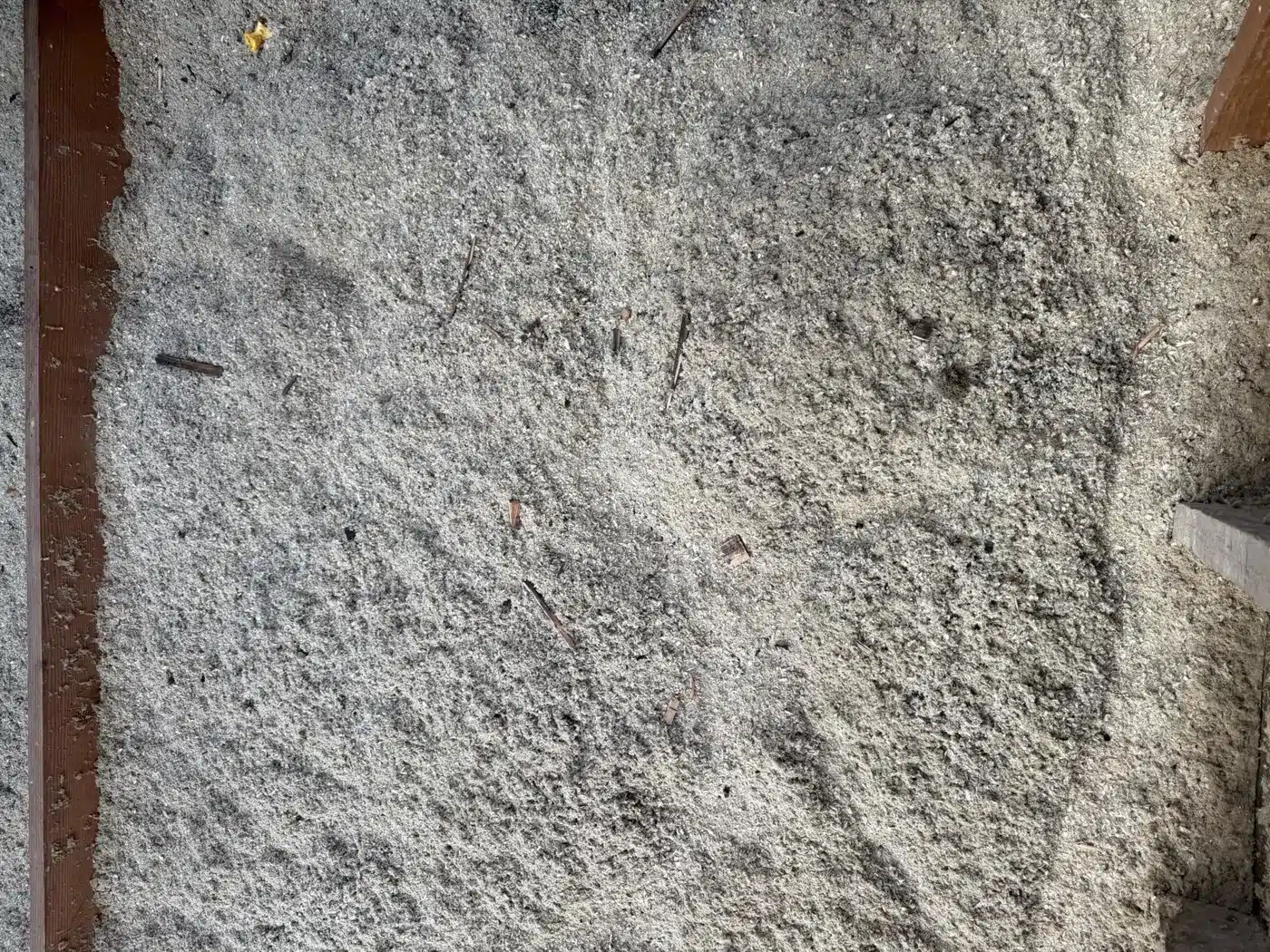
Decades under a leaking shake roof had left the attic in the same condition as the shakes above it. With the roofing crew already mobilized, Stephen added a full attic package: the old insulation was vacuumed out entirely, the space was sanitized with antibacterial treatment, every rodent entry point we found was sealed with foam or wire mesh, recessed light fixtures were sealed, and new fiberglass R-38 insulation went in across both levels of the home. The rusted water-heater exhaust pipe was replaced with a new pipe and fresh flashing — closing out the last original penetration on the roof. Doing this work during a reroof is dramatically cheaper than doing it as a standalone project, because access, staging, and cleanup are already paid for.
Before vs. After
| Feature | Before | After |
|---|---|---|
| Roof covering | 1960s-era cedar shake, moss-covered and slipping | Owens Corning Title 24 cool-roof shingles |
| Roof deck | Original spaced skip sheathing | Full plywood overlay — solid, modern deck |
| Fire exposure | Aged, dry wood shake | Class A asphalt shingle system |
| Drainage | Standing water in failing gutters | New gutters and downspouts all the way around |
| Flashings & vents | Original, including a rusted-through flue | New drip edge, metal valleys, vent flashings, code vents |
| Attic | Old contaminated insulation, rodent access | Vacuumed, sanitized, rodent-proofed, new R-38 both levels |
| Energy performance | No rated reflectivity, thin insulation | Title 24 cool roof above, R-38 below |
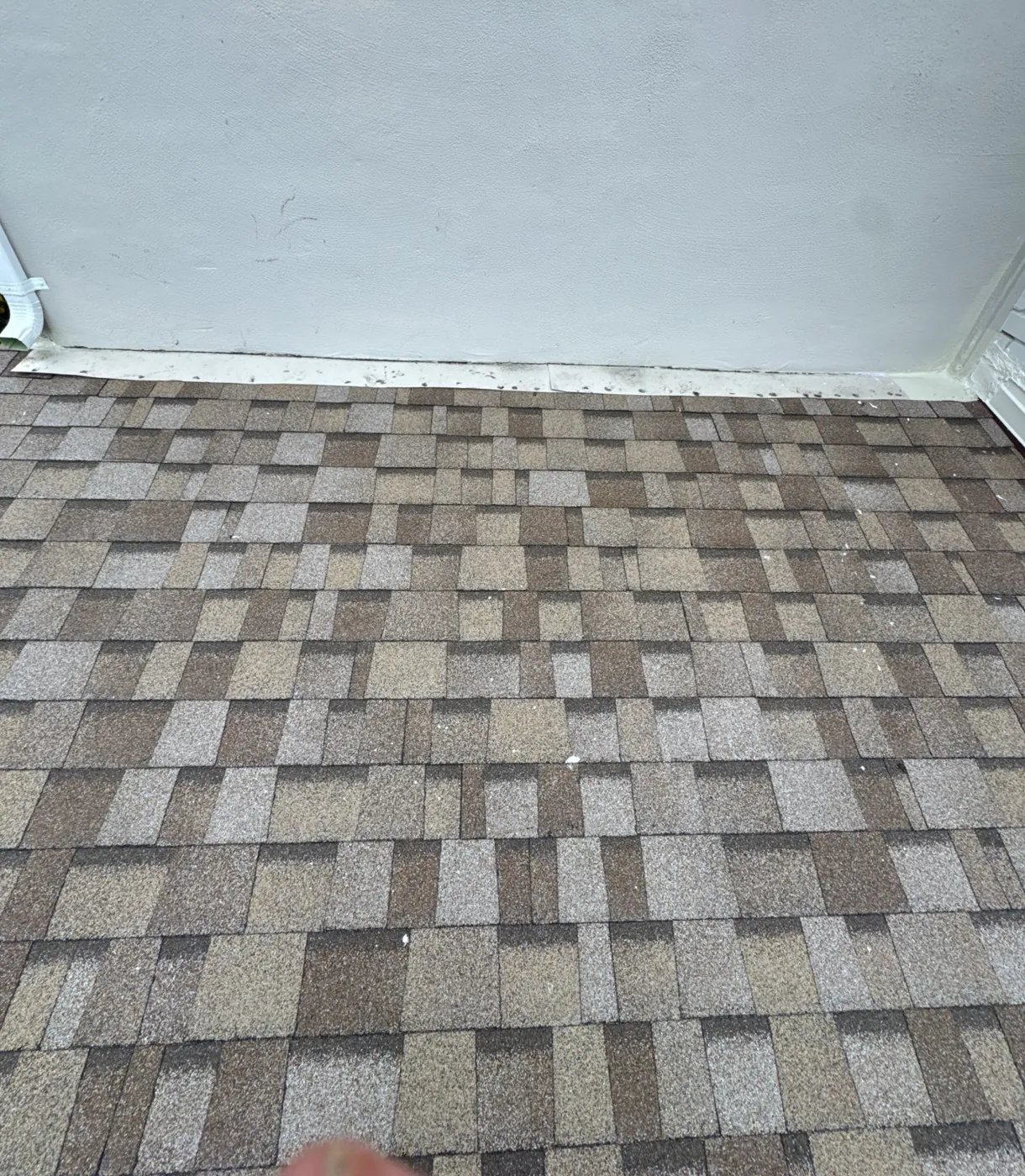
The roof was finished by mid-December — dried in and complete before the heart of the rainy season. What had been the most vulnerable roof on the street going into winter came out of the project as a solid-decked, Class A, code-current system with an attic to match.
What This Means for Palo Alto Homeowners With Shake Roofs
South Palo Alto’s mid-century neighborhoods — Barron Park, Greenacres, Fairmeadow and the streets around them — were built in the golden age of cedar shake, and many of those original roofs are still up there at fifty-plus years old. If yours is one of them, the honest math has changed: repairs buy months, wood shake is a fire liability modern codes have moved away from, and insurers increasingly price it accordingly. The one thing to insist on when you replace it is the deck. A shake conversion done right includes a full plywood overlay across the skip sheathing — a bid that’s dramatically cheaper than the others usually means that step is missing. We work across the mid-Peninsula; see our Palo Alto roofing page or browse the full project gallery.
Palo Alto Cedar Shake Replacement — FAQs
Can you install asphalt shingles directly over cedar shake?
No. Cedar shake has to come off completely, and the skip sheathing underneath has to be covered with a solid deck before asphalt shingles can be installed. Shake roofs were built on spaced boards with gaps between them, and asphalt shingles need continuous support — so a proper conversion is always tear-off, plywood overlay, underlayment, then shingles. On this Palo Alto project the plywood overlay covered the entire roof.
Do I need a Title 24 cool roof for a reroof in Palo Alto?
For most Palo Alto reroofs, yes — California’s Title 24 energy code sets solar reflectance requirements that apply when you replace a roof, and the city confirms the requirement at permit. We specified a rated Owens Corning cool-roof shingle here, which satisfied the code and reflects meaningfully more heat than the dark, weathered shake it replaced.
Is it worth redoing the attic during a roof replacement?
If the attic is degraded, a reroof is the cheapest moment you’ll ever have to fix it — the crew, access, and cleanup are already on site. This project’s $15,000 attic package covered vacuuming out all the old insulation, sanitizing the space, sealing rodent entry points, sealing around recessed lights, installing new R-38 fiberglass on both levels, and replacing the water-heater exhaust pipe and its flashing. Between the cool roof above and R-38 below, the home’s whole thermal envelope was rebuilt in one project.
How much does it cost to replace a cedar shake roof in the Bay Area?
This Palo Alto project came to $28,093 including the city permit, with the optional attic restoration bringing the total to $43,093. Shake conversions price above standard reroofs because of the plywood overlay the skip sheathing requires. Your number moves with roof size, pitch, and access — see our Bay Area roof replacement cost guide for current ranges.
Still Have a Cedar Shake Roof in Palo Alto?
We handle the whole conversion — tear-off, new solid deck, Title 24 cool-roof shingles, gutters, and permits — start to finish. See more of our work in the project gallery, or get a free estimate today.
Gina K. writes about Bay Area roofing for Lifetime Roofing & Renovation, drawing on the team's 16+ years of experience roofing homes across Silicon Valley.