Tile Roofing · Bay Area
The tile itself can outlive you. What sits underneath it will not — and that gap between the two is the single most misunderstood thing about tile roofs.
How Often Does a Tile Roof Need Maintenance, and How Long Does It Last?
Concrete and clay tile commonly lasts 50 years or more, but the underlayment beneath it typically lasts 20 to 30, and that is what actually keeps water out. Plan on a visual check every year or two, a proper inspection every three to five, and one underlayment replacement — a lift-and-relay, where the same tiles go back on — somewhere around the roof’s twenty-fifth year.
This is the question asked on r/Roofing, and the answers split exactly where you would expect: everyone agrees the tile lasts, and nobody warns the homeowner about the felt underneath it.
The tile is not the waterproofing
This surprises most homeowners, and it is the fact that decides everything else. Tile is a rain screen: it sheds the bulk of the water, takes the sun and the impact, and protects what is beneath. The actual waterproof layer is the underlayment — historically felt, now usually a self-adhered membrane — running across the deck under the battens.
So the roof has two clocks running at different speeds. The tile clock runs 50 years and often longer. The underlayment clock runs 20 to 30 in our climate, less on a hot south-facing slope, and when it reaches the end the roof begins to leak even though every tile on it looks perfect from the street. That is why a 35-year-old tile roof in good-looking condition can still be overdue for work.
A realistic maintenance schedule
Every year, or after a big storm: look from the ground with binoculars, or from a window. You are looking for slipped or cracked tiles, debris dammed in the valleys, and plant growth. Clear gutters. Do not walk on the roof — tile breaks under foot traffic, and most cracked tiles we find were cracked by someone walking on them.
Every three to five years: a proper inspection. Cracked and slipped tiles replaced, valleys cleared properly, flashings and penetrations checked, and the underlayment assessed at the eaves and any exposed edge. This is inexpensive work that prevents the expensive kind.
Around year 25, give or take: the lift-and-relay. The tiles come off and are stacked, damaged ones are replaced, new underlayment and battens go down, flashings are renewed, and the original tiles go back on. You keep the roof you have and reset the waterproofing clock — typically for a fraction of a full tile replacement, because the tile is the expensive part and it is being reused.
The exceptions to the schedule are worth knowing: a roof under heavy tree cover needs the valley clearing more often, a roof with a low-slope section joined to it needs that section watched separately, and any roof where somebody has been walking — solar installers, satellite fitters, painters — deserves a look afterwards.
What goes wrong, in order of how often we see it
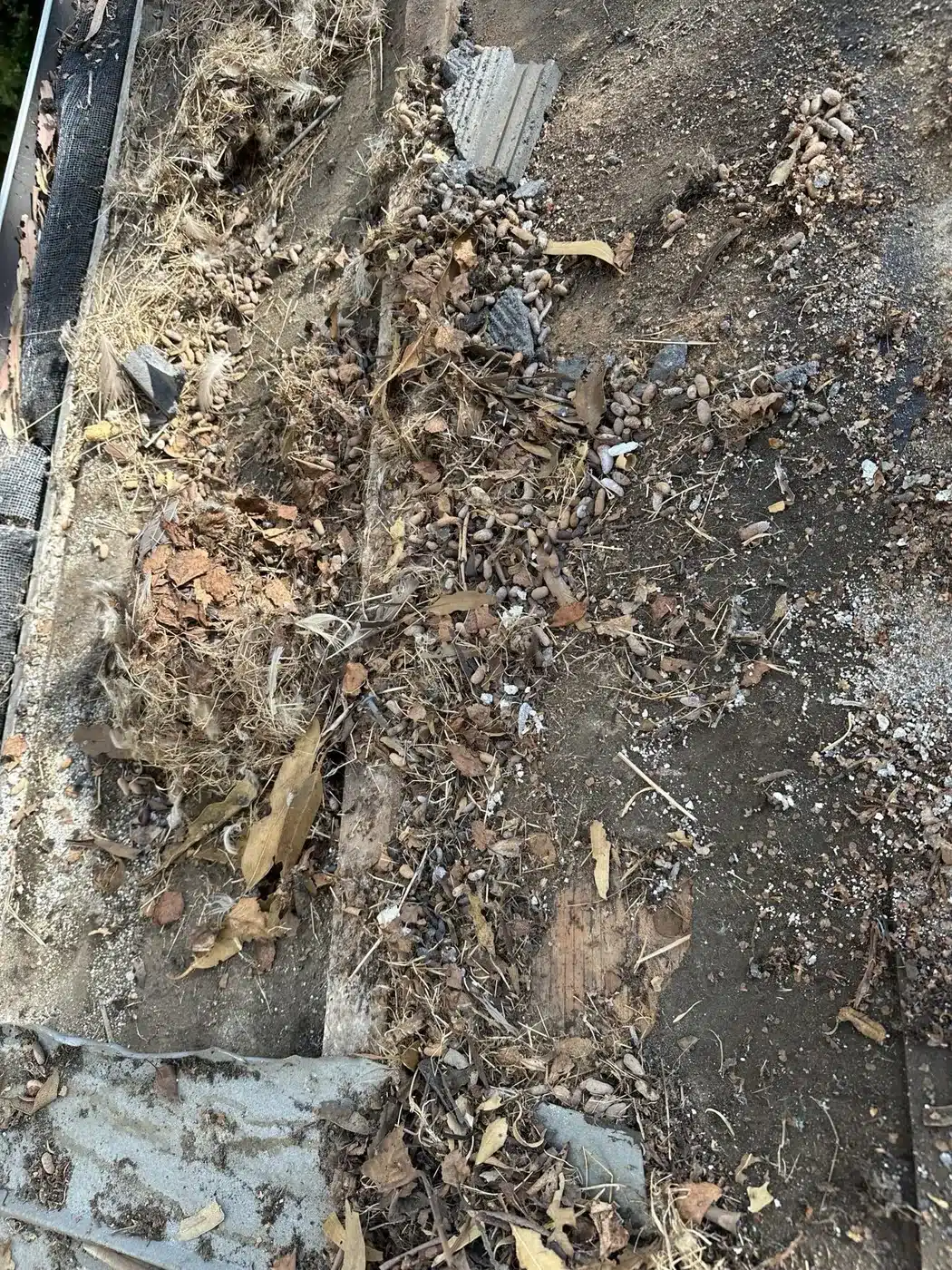
Debris in the valleys. Needles and leaves build a dam, water backs up above it and finds the underlayment lap. This is the most common tile leak in the Bay Area and the easiest to prevent.
Broken tiles from foot traffic. Usually in a line, usually leading to a solar panel or a satellite dish. A broken tile exposes the underlayment to direct sun and rain, and it ages fast in that spot.
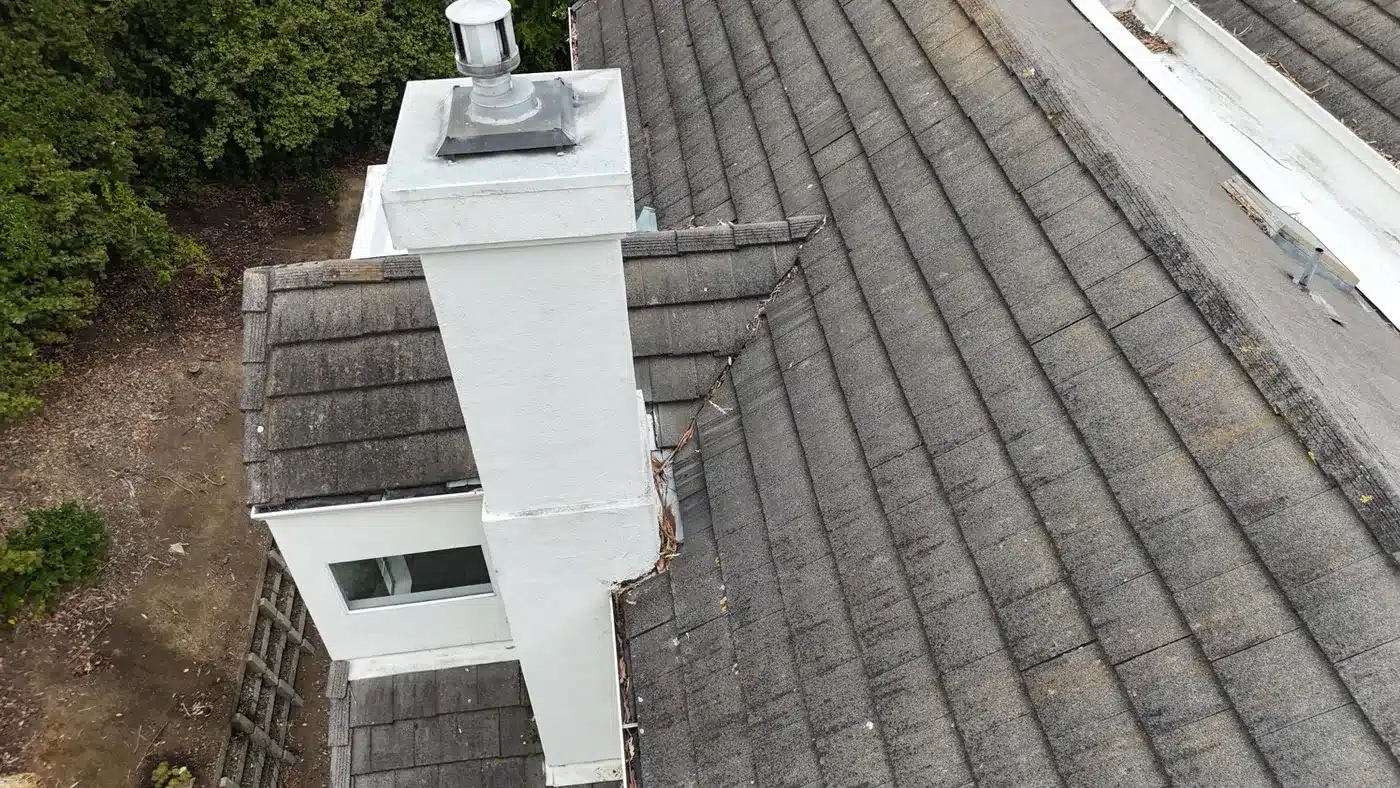
Failed flashing at chimneys, skylights and wall junctions. Mortar and old sealant shrink and crack; the tile around them is fine. Repairable, and worth doing before it soaks the framing behind the wall.
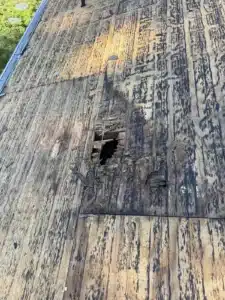
Underlayment simply reaching the end. No single dramatic failure — just leaks appearing in several places over a couple of winters. That is the signal for a lift-and-relay rather than another round of patching.
For what the work involves and how tile is priced here, see our concrete tile roofing page. For a real example at scale, we re-laid the tile across 26 townhome units in Vallejo — and on a smaller scale, a South San Francisco tile roof was repaired rather than replaced because the underlayment still had life in it.
Tile roof maintenance questions
How long does a concrete tile roof last in California?+
What is a lift-and-relay, and is it cheaper than a new tile roof?+
Can I walk on my tile roof to clean the gutters?+
Not sure how old your underlayment is?
Most homeowners inherit a tile roof without paperwork. An inspection tells you where in its life the roof actually sits — and whether this winter is a maintenance year or a lift-and-relay year.
Book a Free Inspection Call (408) 685-2177See recent projects · Lifetime Roofing & Renovation, Inc. · Sunnyvale, CA · CSLB #1090028 · 4.8★ on Google
Gina K. writes about Bay Area roofing for Lifetime Roofing & Renovation, drawing on the team's 16+ years of experience and 1,000+ completed roofs across Silicon Valley.