

Need a tile roof inspected, repaired or relaid? Lifetime Roofing & Renovation works on clay and concrete tile roofs across the Bay Area.
A clay tile roof in California can last 50 to 100 years or more, but only the tiles last that long. The underlayment beneath the tiles, which is what actually keeps water out, typically lasts 20–30 years. So most “old clay roofs” that leak don’t need new tile. They need the tile lifted, the underlayment replaced, and the same tile relaid.
Clay tile lifespan, part by part
| Component | Typical lifespan | What wears it out |
|---|---|---|
| Clay tiles | 50–100+ years | Breakage from foot traffic, falling branches, freeze-thaw in the mountains |
| Underlayment (felt or synthetic) | 20–30 years | Heat under the tile dries and cracks older felt; nail holes and laps open up |
| Flashings (valleys, walls, chimneys, skylights) | 20–40 years | Corrosion, and sealant that fails long before the metal does |
| Fasteners and battens | Varies | Rust, and rot where water has been getting under the tile |
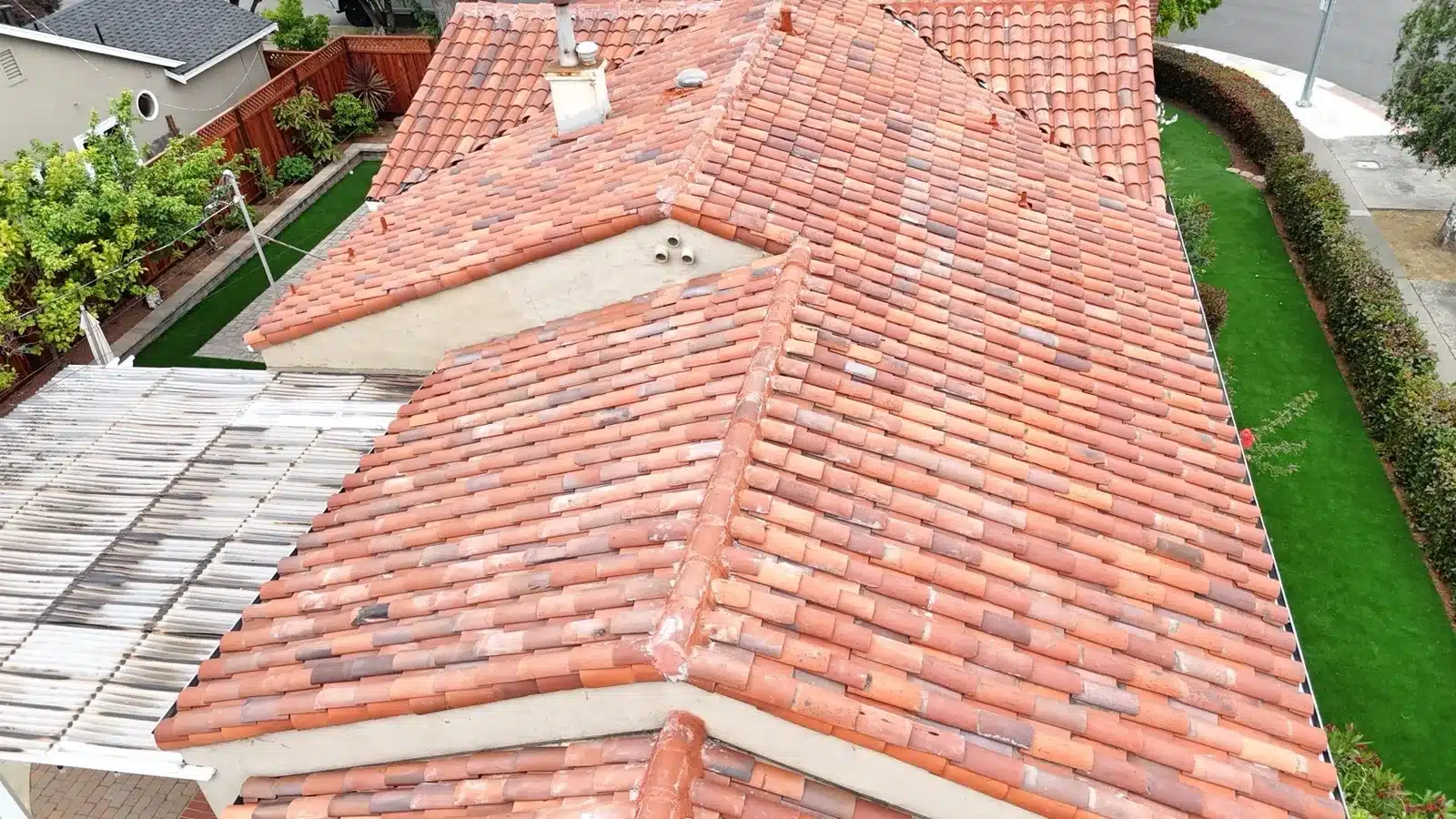
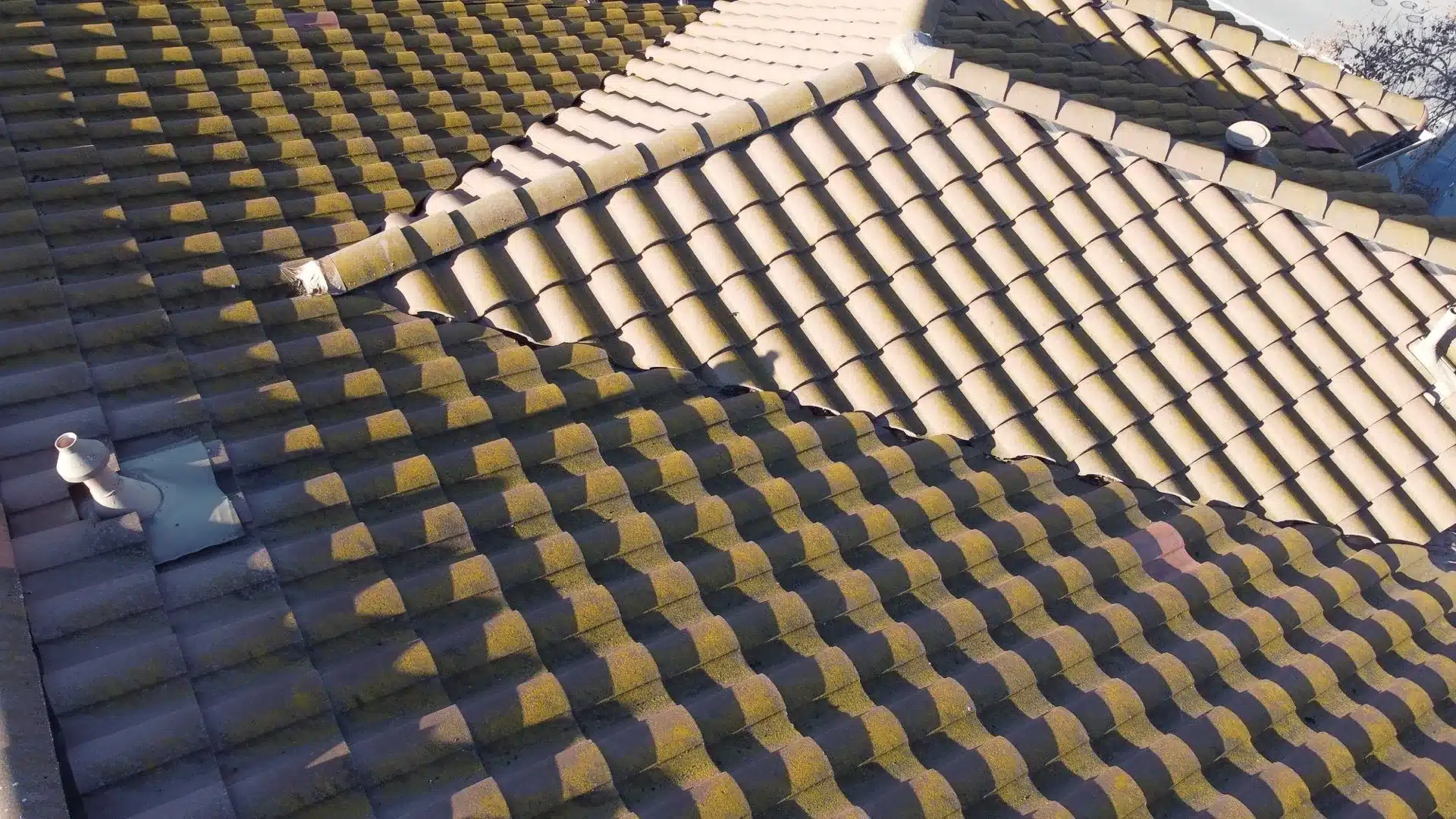
That split is why a 40-year-old clay roof can look perfect from the street and still leak into the attic. On a San Jose home on Clarita Avenue, we lifted 36 squares of clay barrel tile, replaced the failing underlayment and relaid the same tile. See the Clarita Avenue tile relay. We found the same pattern under a moss-covered concrete tile roof in Morgan Hill, where the tile was sound but the underlayment and deck beneath had failed. See our Morgan Hill tile roof.
Signs your clay tile roof needs work
- Leaks or ceiling stains even though the tiles look intact. This almost always points to underlayment or flashing, not the tile.
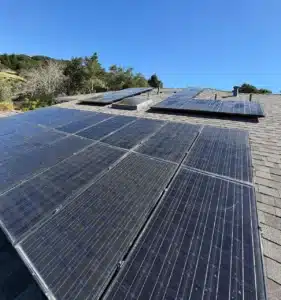
- Cracked, slipped or missing tiles, often after someone has walked on the roof, such as for solar, satellite or painting work.
- Moss or debris buildup in valleys and at the eaves, which holds water against the underlayment. See how often a tile roof needs maintenance.
- Rusted or sealant-patched flashings at chimneys, walls and skylights.
- A roof over 25 years old that still has its original felt underlayment. That’s worth an inspection even before it leaks.
Repair, relay or replace?
- Spot repair: a few broken tiles or one failed flashing. We swap the tiles (matching them from salvage stock where possible) and re-flash the problem area.
- Lift and relay: the tile is sound but the underlayment has failed. We remove the tile, repair the deck, install new underlayment and flashings, and reinstall the original tile, replacing any broken pieces. This is usually far cheaper than new tile and keeps the original look.
- Full replacement: the tile itself is failing, or the house is changing roof material. New clay tile costs roughly $15–$30 per sq ft installed in the Bay Area, with clay at the top of that range. Some owners switch to shingles to shed weight, as on this San Jose tile-to-shingle re-roof.
What to know before installing a new clay tile roof
- Weight: clay tile is several times heavier than asphalt shingles. Switching from a lighter roof to tile usually needs an engineer to confirm the framing, especially in earthquake country.
- Roof slope: under the California Residential Code, clay and concrete tile generally needs a slope of at least 2½:12 over solid sheathing. Slopes under 4:12 need a double layer of underlayment.
- Fastening: tile must be mechanically fastened to current code. Older tile set only in mortar or held by gravity is more likely to shift in strong shaking.
- Fire: clay tile is non-combustible and part of Class A roof assemblies. In fire hazard zones, the open ends of barrel tile at the eaves must be closed with bird stops or eave closures so embers can’t blow in.
- Title 24: in Climate Zones 4 and 8–15 (which include San Jose), a new steep-slope roof over more than half the roof area must meet the cool-roof requirement, so choose a CRRC-rated tile color. See our Title 24 cool roofing guide.
How to make a clay tile roof last
- Keep people off it. Clay breaks under a careless step. Anyone who must go up should know how to walk tile.
- Keep valleys, eaves and gutters clear so water drains off rather than backing up under the tile.
- Have it inspected every few years and after major storms. Replacing a handful of broken tiles early costs far less than a rotten deck later.
- Plan for the underlayment at around 25–30 years, before it starts leaking.
Frequently asked questions
How long does a clay tile roof last in California?
The clay tiles themselves often last 50–100 years or more. The underlayment beneath them typically lasts 20–30 years and is usually the first thing to fail.
Can you reuse old clay tiles?
Usually, yes. Sound clay tile can be lifted, stacked and relaid over new underlayment, with broken pieces replaced from matching stock.
Is clay tile better than concrete tile?
Clay costs more and holds its color essentially forever. Concrete tile costs less, and its surface color can fade over time. Both are non-combustible, and both depend on the underlayment beneath them.
What’s the minimum roof pitch for clay tile?
Generally 2½:12 over solid sheathing, with a double layer of underlayment below 4:12, under the California Residential Code. The tile manufacturer’s instructions may be stricter.
Get your clay tile roof inspected
If your tile roof is 20–30 years old, or it leaks even though the tiles look fine, we’ll check the tile, underlayment and flashings and tell you honestly whether it needs a repair, a relay or a replacement. Call (408) 685-2177 or request a free estimate. More on our clay tile roof installation and concrete tile services.
Gina K. writes about Bay Area roofing for Lifetime Roofing & Renovation, drawing on the team's 16+ years of experience roofing homes across Silicon Valley.