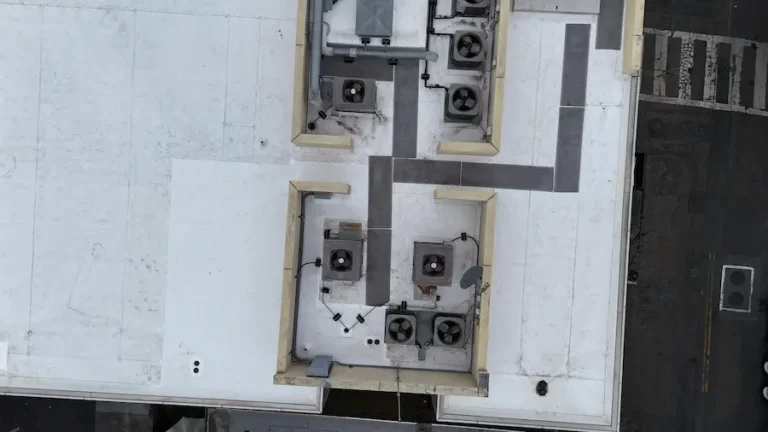
Homeowners who’ve replaced a roof recently mostly say the same things. They wish they’d known the wood under the old roof might need replacing, how noisy and messy the job days are, that chimneys and flashings can add work, and that insurers now care about roof age more than “30-year shingle” labels. In the Bay Area, add two more: Title 24 limits which colors you can pick, and a low-slope section can’t take shingles at all.
The question comes from a homeowner thread on r/Roofing: “If you replaced your roof in the last 10 years, what’s the one thing you wish you’d known beforehand?” Below are the answers that came up most often there, plus what we’d add from Bay Area jobs.
1. The wood under your roof is the big unknown
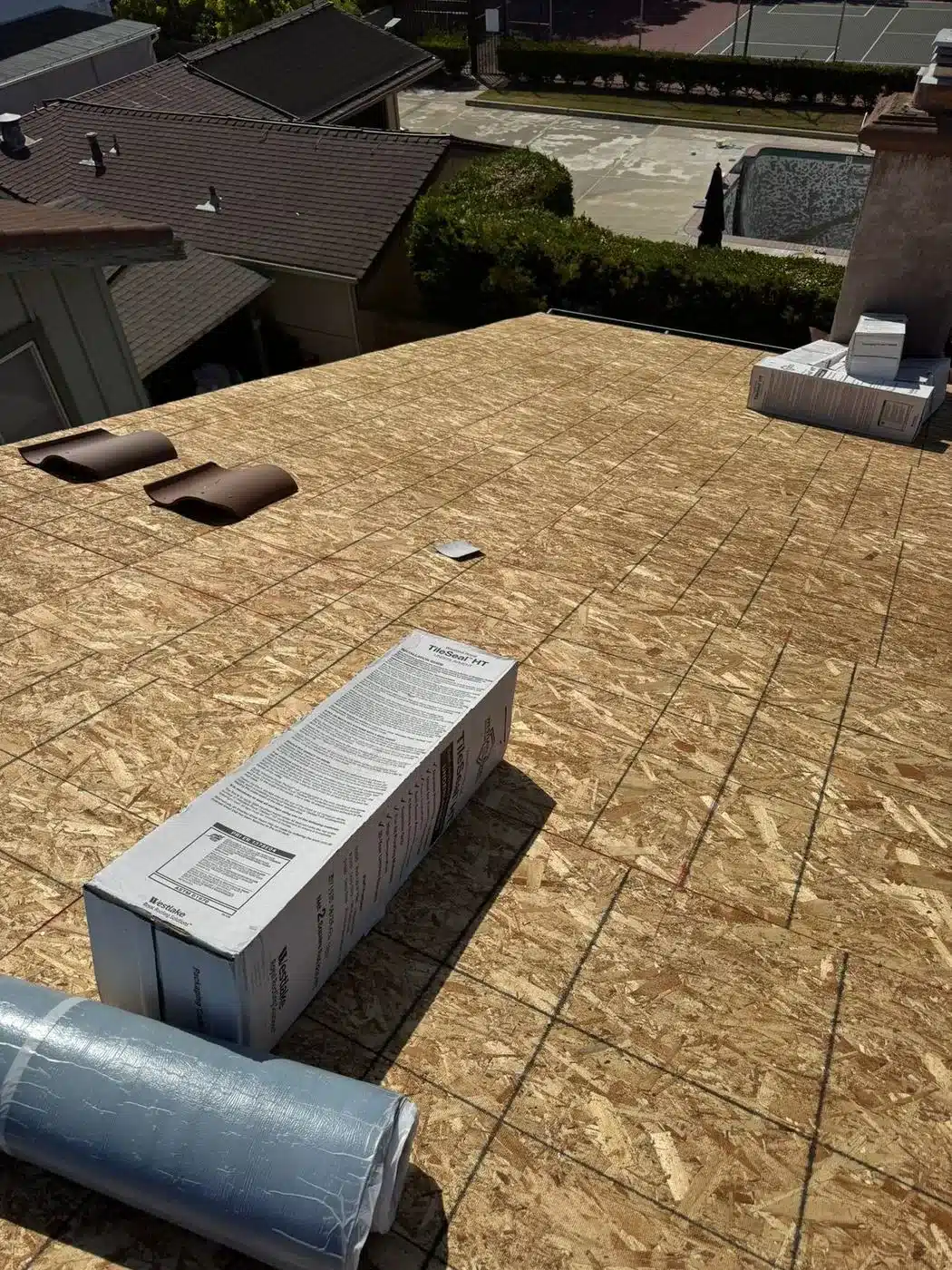
The most common surprise is what turns up after tear-off. Nobody can fully see the deck (the plywood or boards under the shingles) until the old roof comes off. Soft, rotted or delaminated sheathing has to be replaced before the new roof goes on, and that adds cost and time.
What to do: ask for an attic inspection before you sign. From the attic you can often spot water stains, daylight and sagging. Also make sure the contract states a per-sheet price for deck replacement, so any surprise is priced in advance. Many older Bay Area homes also have spaced board sheathing that needs a solid plywood deck added. See how long a three-layer tear-off takes in San Jose.
2. The job days are loud and messy
Commenters in the thread put this second: a tear-off means several days of banging, debris and crew traffic. A typical single-family shingle re-roof takes 1–3 days on site, and older homes with multiple layers take longer.
What to do: move cars out of the driveway, take fragile items off walls that share the roof framing, cover anything stored in the attic (dust and debris come through, especially with board sheathing), and plan for pets and anyone working from home.
3. Chimneys, skylights and walls can add work
One homeowner had to have their chimney repointed before the roofer could flash it properly. New flashing only seals as well as the masonry or siding it’s attached to, and skylights near the end of their life are best replaced during the re-roof, not after.
What to do: ask the roofer to walk you through each chimney, skylight and wall joint and say what they plan to do there. See how to tell if chimney flashing is failing and skylight replacement during a re-roof.
4. Insurers care about roof age, not the label on the bundle
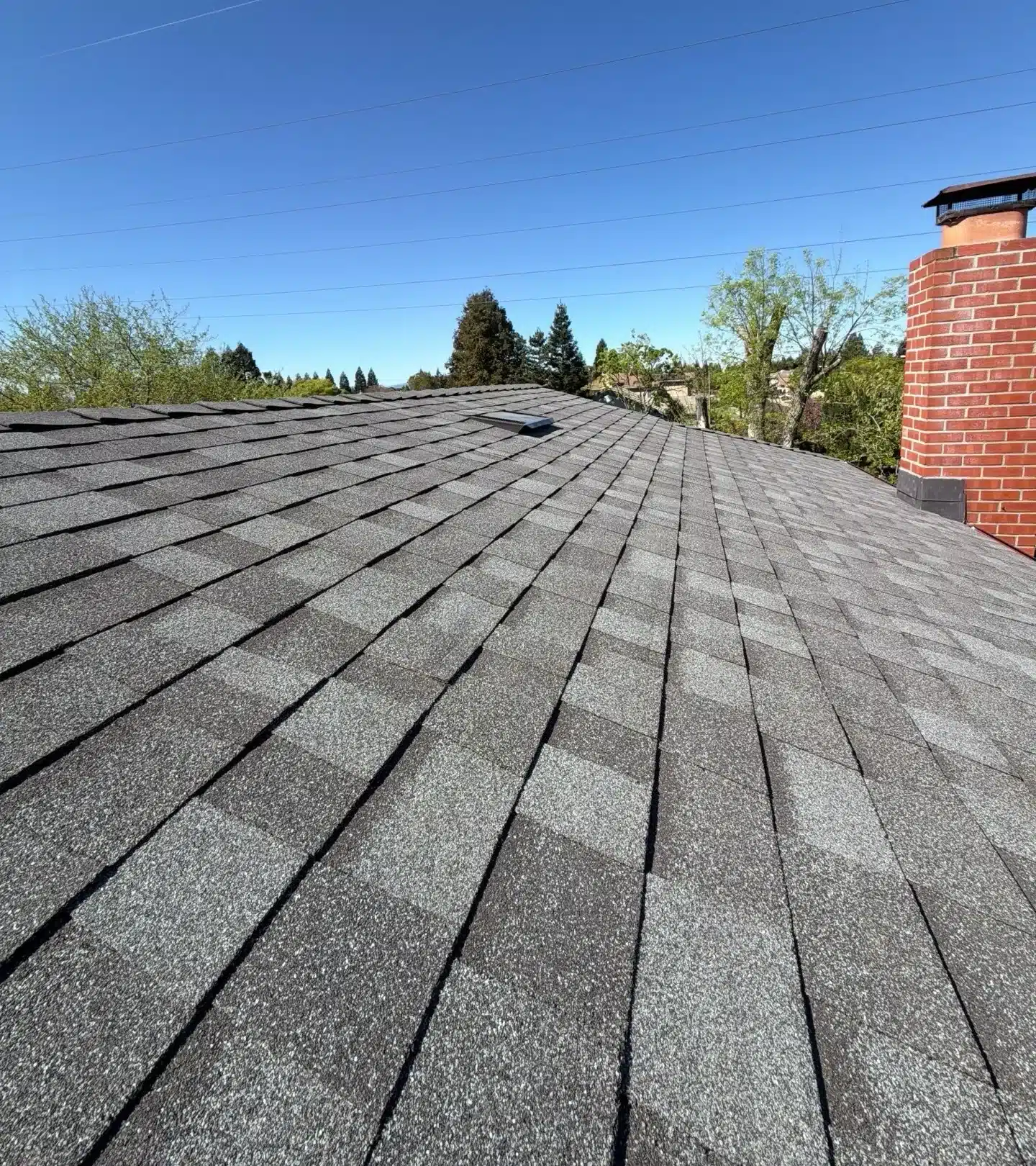
Several commenters said a “30-year” shingle meant little once their insurer started asking how old the roof was. In California, insurers look closely at roof age and condition, and some homeowners replace an otherwise working roof after a non-renewal notice.
What to do: keep your permit final, invoice and warranty registration together. Insurers and buyers ask for them. If you’ve received a non-renewal letter, get an inspection report first, since sometimes a documented repair is enough.
5. Ventilation matters as much as the shingles
A new roof with poor attic ventilation runs hot, ages faster, and can put the shingle warranty at risk. The intake vents at the eaves and the exhaust vents at the ridge have to be balanced.
What to do: ask how the new roof will be vented, and make sure it’s written into the scope. See the roofer did not put vents in our new roof. Does it matter?
6. In the Bay Area, Title 24 limits your color choices
In Climate Zone 4, which covers San Jose and most of Santa Clara County, replacing more than half of a steep-slope roof triggers California’s cool-roof requirement. The roofing must have an aged SRI of 16 or more (or meet an approved exception). Plenty of grays and browns qualify, and there’s even a qualifying black, but not every color in a brochure does.
What to do: pick your color from the CRRC-rated options before you fall in love with a sample board. See what Title 24 roofing compliance means.
7. Low-slope sections can’t take shingles
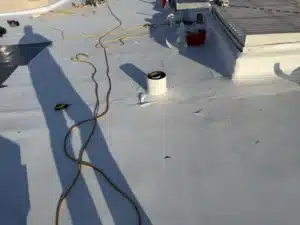
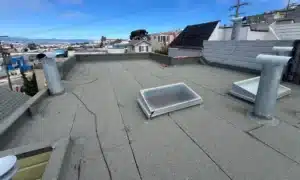
Many Bay Area homes have a nearly flat section over a porch, addition or garage. Shingles aren’t allowed below a 2:12 pitch, and they perform poorly just above it, so those sections need a membrane such as TPO. That’s a separate line item. See a San Mateo homeowner who didn’t know about the shingle limitation.
8. There are two warranties, and they’re different
The shingle manufacturer’s warranty covers the product, and the enhanced system warranties require a certified installer and registration. The contractor’s workmanship warranty covers the installation. Get both in writing, register the manufacturer warranty, and read what voids it.
What’s actually changed in roofing in the last 10 years
- Synthetic underlayment has largely replaced asphalt felt on shingle roofs. It’s lighter, stronger and far more tear-resistant, and it lasts longer under tile.
- Cool-rated shingles come in darker colors. Owens Corning’s Duration COOL Plus line includes “Midnight,” a CRRC-rated black shingle sold in California, so meeting Title 24 no longer means a light-colored roof.
- A new Energy Code cycle: the 2025 California Energy Code took effect January 1, 2026. Single-family cool-roof values stayed the same.
- Fire-zone rules matter more. CAL FIRE has been updating its Fire Hazard Severity Zone maps. If your home is in a zone, the roof must be a fire-rated assembly with ember-resistant details. Check your current zone before choosing materials.
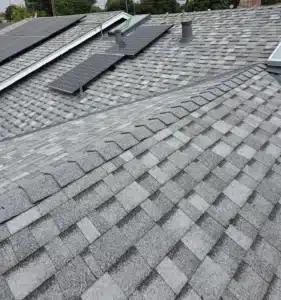
- Solar is planned in from the start. More re-roofs now include removing and resetting solar panels, or preparing the roof for them. See a Castro Valley re-roof with solar.
A short checklist before you sign
- Attic inspection done, and a per-sheet deck repair price in the contract
- Shingle brand, line and a CRRC-rated color named in writing
- Ventilation plan (intake and exhaust) in the scope
- Chimneys, skylights and any low-slope sections addressed line by line
- Permit pulled by the contractor, and a CSLB license you’ve verified
- Manufacturer and workmanship warranties in writing
For materials and pricing, see best roofing materials for California and what a new roof costs in San Jose. If you’d like a second opinion on a quote, call (408) 685-2177 or request a free inspection.
Gina K. writes about Bay Area roofing for Lifetime Roofing & Renovation, drawing on the team's 16+ years of experience and 1,000+ completed roofs across Silicon Valley.