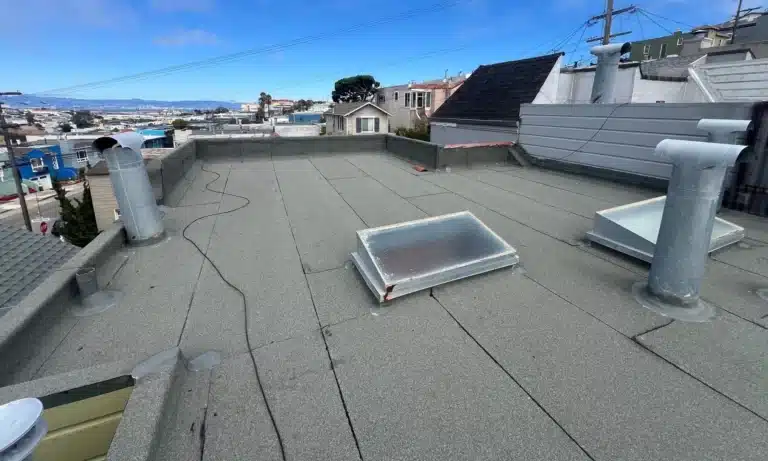
Two professionals looked at the same roof and gave opposite answers. That is more common than most owners expect, and it can be settled with evidence rather than with whoever sounds more sure.
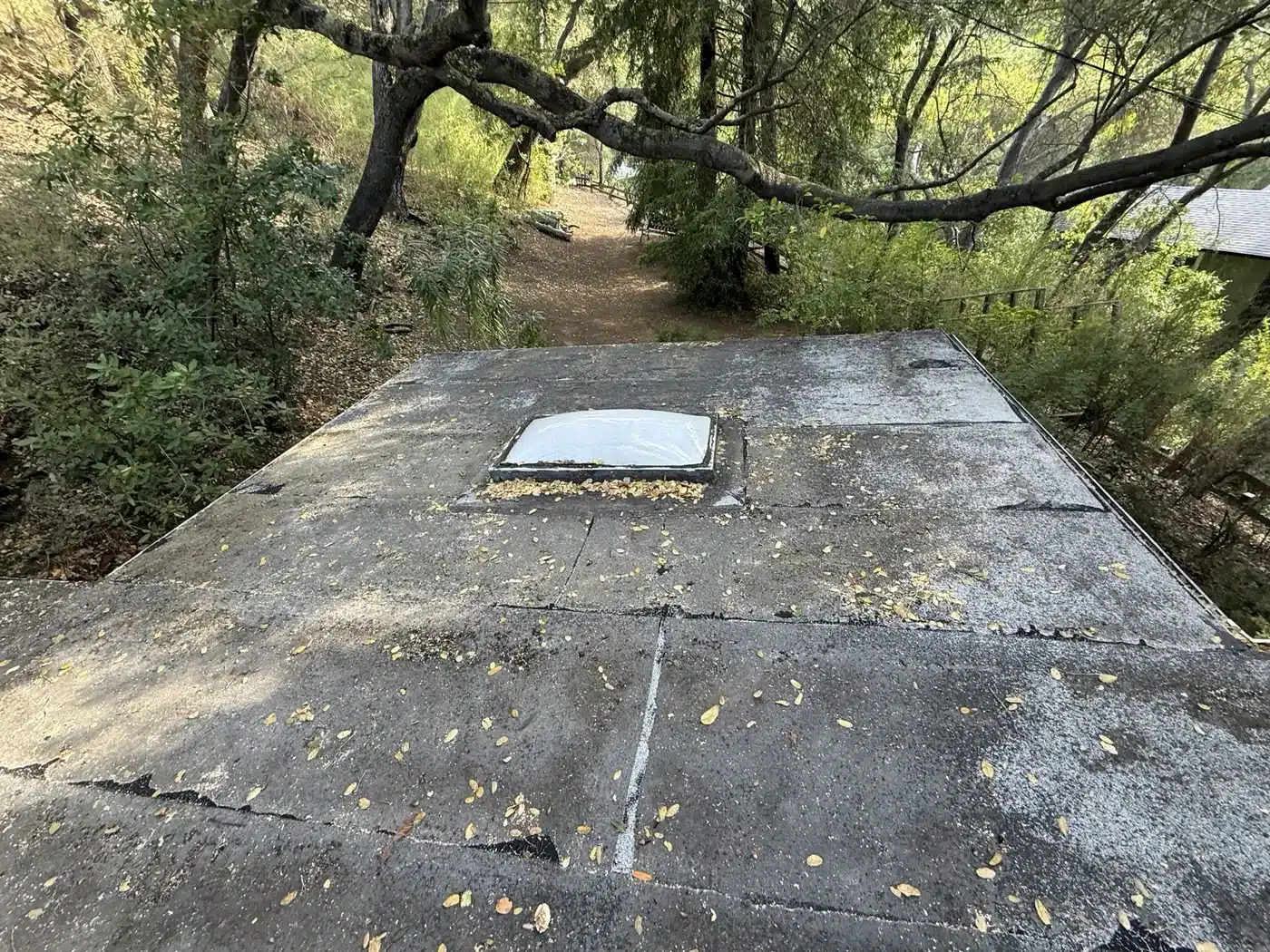
Roofer Says Replace. Inspector Says Repair. Who Do I Believe?
Believe the one who can show you evidence. Ask both for written findings with dated photos, the exact locations of every problem, and a clear statement of what each recommended repair would and would not fix. On a flat or low-slope roof, the deciding fact is usually whether the insulation underneath is wet. A moisture survey, using infrared imaging, a capacitance meter or core samples, shows how much of the roof is saturated. If the wet area is small and the membrane is otherwise sound, a repair can be the sensible choice. If moisture is widespread, the membrane is near the end of its service life, or repairs have already been stacked on repairs, replacement often costs less over time than patching. Remember that every party has an incentive, including a roofer who sells replacements and an inspector who is paid for the report, so judge each opinion by the evidence behind it.
This question was asked on Reddit’s r/Roofing in July 2026: read the original thread.
Same roof, two different answers
A roofer and an inspector often disagree for understandable reasons. They may have looked at different things, one from the roof and one from the attic, or one may be judging only today’s leak while the other is judging the remaining life of the whole system. They also have different incentives. A contractor earns more from a replacement, and some inspectors lean toward repair to avoid recommending an expensive job. Neither motive makes a finding wrong, but it is a reason to ask for proof.
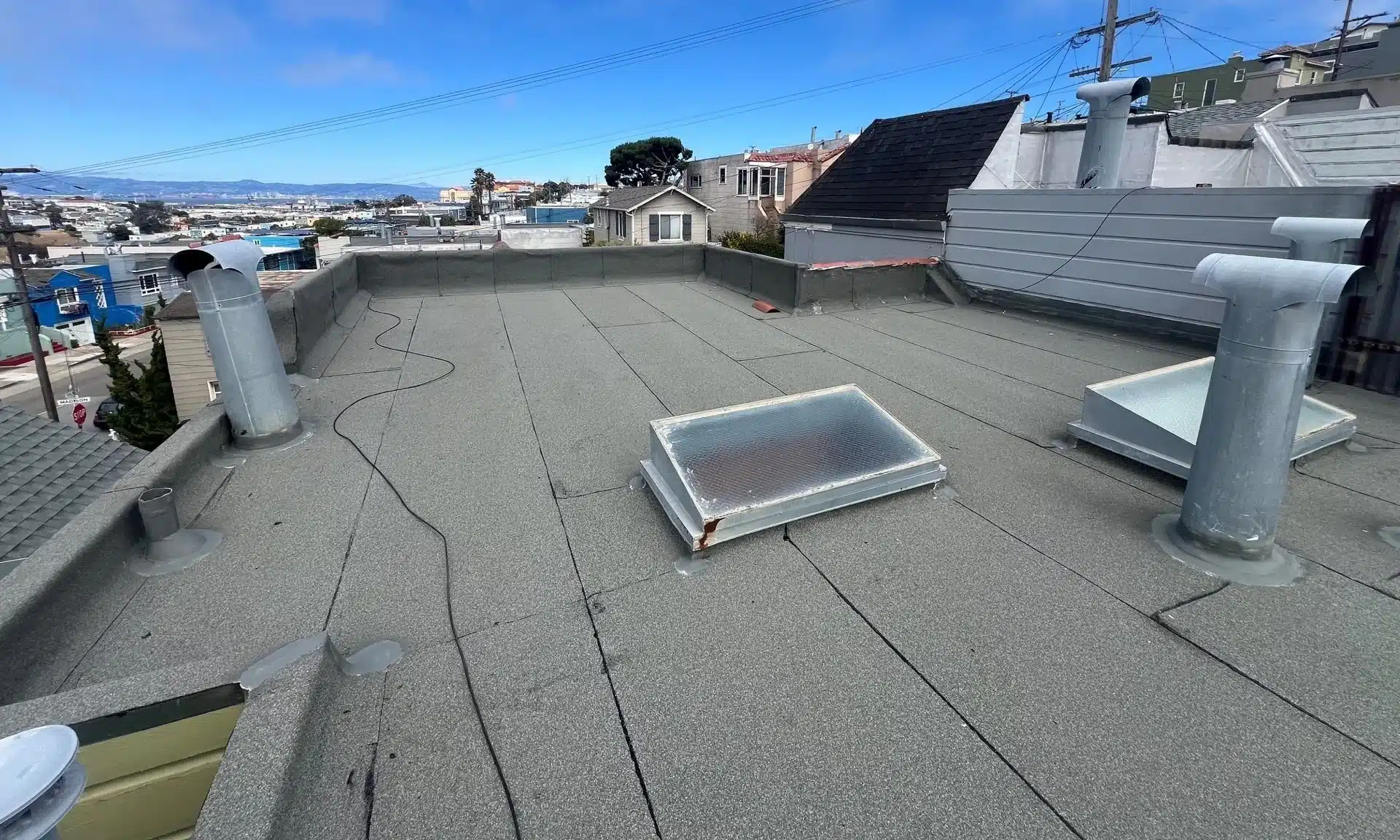
How to get a clear answer on a flat roof
| Ask for | Why it matters |
|---|---|
| A moisture survey | Infrared, capacitance or core samples show how much insulation is wet, which decides whether a repair can last |
| Dated photos with locations | Lets you and a third party compare the same defects, rather than rely on descriptions |
| Age and material of the roof | A roof near the end of its published service life is a weaker candidate for repair |
| Repair history | Many patches in one area usually mean a bigger problem underneath |
| A written scope for each option | Shows exactly what is included, what is excluded and what the warranty covers |
| A cost comparison over time | Repeated repairs can cost more than one replacement |
A general guide. Method and cost depend on the roof system and the building.
For commercial buildings, our commercial roof inspection includes photos and a written report you can keep on file. If you are leaning toward a fix, see flat roof repair, and if the evidence points to replacement, see commercial roof replacement.
Signs a repair is the better call, and signs it is not
Repair tends to make sense when the leak is traced to one detail such as a flashing, a drain or a seam, the insulation is dry or only wet in a small area, and the membrane has plenty of life left. Replacement tends to make sense when the moisture survey shows widespread wet insulation, the membrane is cracked, blistered or split across large areas, the roof has already been patched repeatedly, or the cost of the repairs is approaching the cost of a new system. A second opinion from a contractor with no stake in the work you are considering is worth the small cost when the number is large.
You can see what a full low-slope replacement involves in our San Francisco flat roof project, and the maintenance side in our flat roof maintenance checklist.
Repair or replace questions
Should I get a third opinion on my roof?
If the two opinions are far apart and the cost is large, yes. Ask the third party to examine the same areas and to explain their reasoning in writing. A second look is inexpensive compared with replacing a roof that did not need it, or patching one that does.
What is a roof moisture survey?
It is a test that finds wet insulation under a flat roof membrane. Common methods are infrared imaging, a capacitance or electrical-impedance meter, and core samples. The results show how much of the roof is wet, which is the most useful fact when choosing between repair and replacement.
Can a flat roof be repaired if the insulation is wet?
Sometimes, if the wet area is small and can be removed and replaced. If the moisture is widespread, repairs usually do not last, because the wet insulation loses its value and keeps feeding problems under the membrane. The survey tells you which case you have.
Is a roof inspector better than a roofer?
Neither is automatically right. An independent inspector has no stake in the repair work, but may not price a repair or know every roofing system. A roofer can propose and perform the work, but has an incentive to sell it. The best approach is evidence both can point to: photos, test results and a written scope.
How long does a flat roof last?
It depends on the material, the installation and the maintenance. Published manufacturer and industry ranges for common systems such as TPO, PVC, modified bitumen and built-up roofing generally run from about 15 to 30 years, and the age of your roof is one input to the repair-or-replace decision.
Want an evidence-based answer on your roof?
We will inspect the roof, take dated photos, tell you honestly whether a repair makes sense, and give you a written report you can share with anyone for a second opinion. Lifetime Roofing & Renovation, Inc., CSLB #1090028 (C-39).
Gina K. writes about Bay Area roofing for Lifetime Roofing & Renovation, drawing on the team's 16+ years of experience roofing homes across Silicon Valley.